Insights From Our Team

We provide a range of services for physicians, including medical billing, accounts receivable recovery, credentialing, and practice management solutions, customized for practices of all sizes.

Blog Topics


Warning: Object of class WP_Post could not be converted to int in /home/vtk2k9sdvc90/public_html/thenexusio.com/wp-includes/class-wp-term-query.php on line 599

Warning: Object of class WP_Post could not be converted to int in /home/vtk2k9sdvc90/public_html/thenexusio.com/wp-includes/class-wp-term-query.php on line 599

Warning: Object of class WP_Post could not be converted to int in /home/vtk2k9sdvc90/public_html/thenexusio.com/wp-includes/class-wp-term-query.php on line 599

Warning: Object of class WP_Post could not be converted to int in /home/vtk2k9sdvc90/public_html/thenexusio.com/wp-includes/class-wp-term-query.php on line 599

Warning: Object of class WP_Post could not be converted to int in /home/vtk2k9sdvc90/public_html/thenexusio.com/wp-includes/class-wp-term-query.php on line 599

Warning: Object of class WP_Post could not be converted to int in /home/vtk2k9sdvc90/public_html/thenexusio.com/wp-includes/class-wp-term-query.php on line 599

Warning: Object of class WP_Post could not be converted to int in /home/vtk2k9sdvc90/public_html/thenexusio.com/wp-includes/class-wp-term-query.php on line 599

Warning: Object of class WP_Post could not be converted to int in /home/vtk2k9sdvc90/public_html/thenexusio.com/wp-includes/class-wp-term-query.php on line 599

Warning: Object of class WP_Post could not be converted to int in /home/vtk2k9sdvc90/public_html/thenexusio.com/wp-includes/class-wp-term-query.php on line 599

Warning: Object of class WP_Post could not be converted to int in /home/vtk2k9sdvc90/public_html/thenexusio.com/wp-includes/class-wp-term-query.php on line 599

Trending Topics


Warning: Object of class WP_Post could not be converted to int in /home/vtk2k9sdvc90/public_html/thenexusio.com/wp-includes/class-wp-term-query.php on line 599

Warning: Object of class WP_Post could not be converted to int in /home/vtk2k9sdvc90/public_html/thenexusio.com/wp-includes/class-wp-term-query.php on line 599

Warning: Object of class WP_Post could not be converted to int in /home/vtk2k9sdvc90/public_html/thenexusio.com/wp-includes/class-wp-term-query.php on line 599

Warning: Object of class WP_Post could not be converted to int in /home/vtk2k9sdvc90/public_html/thenexusio.com/wp-includes/class-wp-term-query.php on line 599

Warning: Object of class WP_Post could not be converted to int in /home/vtk2k9sdvc90/public_html/thenexusio.com/wp-includes/class-wp-term-query.php on line 599

Warning: Object of class WP_Post could not be converted to int in /home/vtk2k9sdvc90/public_html/thenexusio.com/wp-includes/class-wp-term-query.php on line 599

Warning: Object of class WP_Post could not be converted to int in /home/vtk2k9sdvc90/public_html/thenexusio.com/wp-includes/class-wp-term-query.php on line 599

Warning: Object of class WP_Post could not be converted to int in /home/vtk2k9sdvc90/public_html/thenexusio.com/wp-includes/class-wp-term-query.php on line 599

Warning: Object of class WP_Post could not be converted to int in /home/vtk2k9sdvc90/public_html/thenexusio.com/wp-includes/class-wp-term-query.php on line 599

Warning: Object of class WP_Post could not be converted to int in /home/vtk2k9sdvc90/public_html/thenexusio.com/wp-includes/class-wp-term-query.php on line 599

CPT Code 96365 Description, Examples, Modifiers & Guidelines

The American Medical Association notes that infusion-and-hydration codes are among the most error-prone for coders; start/stop times, therapeutic vs. hydration classification, and documentation are often the reasons to blame. 

This guide explains the correct use of procedure code 96365, including its definition, applicable clinical scenarios, required modifiers, and billing documentation rules to ensure compliance with CMS 2025 standards.

CPT Code 96365 Description

CPT code 96365 is the procedural code that is used to report the initial intravenous infusion of a therapeutic, prophylactic, or diagnostic substance or drug. AMA CPT 2026 defines that CPT code 96365 represents the first hour of IV infusion provided under the guidance of a qualified healthcare professional.

In practice, code 96365 defines the administration of a solution or medications into a patient’s vein during a continuous period, including up to sixty (60) minutes. Medications or solutions may include therapeutic infusions (ex., IV antibiotics), prophylactic infusions (e.g., preventative medications), and diagnostic infusions (e.g., contrast used in a test).

However, this code does not include chemotherapy or biologic infusions. These are, however, billed under specialized codes such as CPT 96413. Within drug administration coding, CPT 96365 serves as a foundational code for infusion therapy. It ensures proper billing for the skill, time, and supervision required to perform and monitor the IV infusion. 

Accurate use of this code also supports compliance with CMS and payer documentation requirements for infusion therapy.

Clinical Scenarios Where CPT Code 96365 is Applicable

A clear understanding of the real-world applications of CPT code 96365 helps to make sure that the code is correctly used. Below are common therapeutic IV infusion coding examples that meet medical necessity and documentation criteria.

Micronutrient IV Infusion for Treating Vitamin Deficiencies

In a clinical environment, a patient might be infused with micronutrient therapeutic IV infusion to treat vitamin deficiencies. The supervision of the infusion is billed using CPT 96365. This is mainly because it signifies an initial intravenous infusion for a duration of one hour or less.

To guarantee the application of the code in compliance, providers must document:

  • Exact beginning and end time of the infusion
  • Names and dosages of administered agent(s)
  • Details on patient monitoring and physician supervision

Prophylactic Antibiotic Infusion Before Surgery

A prophylactic infusion that is monitored before a procedure to prevent infection is also considered for CPT 96365. When performed on the same day of service as an E/M visit, documentation should establish the requisite linkage between the infusion and the E/M visit.

According to CMS billing rules, infusions and E/M services may both be billable when medically necessary, and it is clearly documented. This example demonstrates the importance of medical necessity documentation and payer compliance.

Applicable CPT 96365 Modifiers 

Modifiers ensure precise claim processing and help communicate that multiple procedures or infusions were distinct or separately identifiable. For CPT code 96365, only the modifiers are used that are consistent with the CMS infusion administration rules 2025 and the NCCI edits guide. 

Modifier 59 and Subcategory Modifiers X{EPSU}

  • Modifier 59 for CPT 96365– This modifier is used when the IV infusion is discrete and separate from other services that are performed on the same day.
  • XE (Separate Encounter) – This modifier is used when an Infusion is performed during a different patient encounter. 
  • XP (Separate Provider) – In using this modifier, the infusion is administered by a different clinician.
  • XS (Separate Site) – When an Infusion is performed at a different anatomical site or vascular access point, the XS modifier is used. 
  • XU (Unusual Non-Overlapping Service) – This modifier applies when an Infusion does not overlap with other service components.

Proper use of these modifiers allows billing systems to bypass NCCI bundling edits, but incorrect or excessive use can trigger payer audits, denials, or compliance reviews.

How to Bill CPT Code 96365: Reimbursement and Compliance Guidelines

Do you want to boost your collection for intravenous infusions? Below are the essential IV infusion billing guidelines every provider and coder should follow.

CPT 96365 Documentation Requirements

Taking accurate notes of the infusion start and stop time is essential. The reported duration determines if CPT 96365 (initial hour) or CPT 96366 (each additional hour) is applied to the situation.
Incomplete or estimated times can lead to claim rejections under CMS infusion administration rules 2025.

Reporting Subsequent Infusions Beyond the Initial Hour 

CPT code 96365 should only be billed once per encounter for the initial hour.
For infusions extending beyond that first hour, report:

  • CPT 96366 – For each additional hour of the same drug.
  • CPT 96367 – For sequential infusion of a new drug or substance.

This approach ensures accurate reporting of sequential infusion CPT coding and compliance with payer time-based billing rules.

Coding Concurrent Infusions Correctly 

When multiple drugs are infused at the same time through separate IV lines, it’s considered a concurrent infusion.
Instead of 96365, CPT code 96368 is to report concurrent administration.
This difference between the codes prevents double-billing and maintains compliance with infusion administration guidelines.

Establishing Medical Necessity Through Complete Documentation 

To meet payer criteria for CPT 96365 medical necessity, documentation should include:

  • The symptoms a patient has and the resulting diagnosis
  • Date of service and exact start/stop times
  • Medications used, dosage, and the route of infusion 
  • Adverse reactions or monitoring details

Strong infusion therapy documentation supports compliance and successful CPT 96365 billing and reimbursement.

Pairing CPT 96365 with the Appropriate HCPCS Drug Code 

CPT 96365 covers only the administration of the infusion—not the medication itself.
To bill the drug separately, pair it with the appropriate HCPCS J-code that identifies the infused substance.

Example:

  • J0690 – Cefazolin injection, per 500 mg (for prophylactic antibiotic infusion).

Using the correct HCPCS code 96365 pairing ensures that both the infusion and the drug are reimbursed appropriately under Medicare billing for infusion therapy.

Can We Bill CPT Codes 96365 and 96413 Together?

CPT 96365 and CPT 96413 reflect different infusion administrations: therapeutic/prophylactic and chemotherapy. They can only ever be reported together if each infusion is performed at a different anatomical site or different evaluation and management encounter. 

As an example, if a patient were to have a therapeutic infusion through one IV line and a chemotherapy infusion through a different IV, then the coder could report both codes.

Modifier 59 would be added to indicate distinct procedural services, regardless of NCCI edits for infusion coding. Proper documentation to include the site of infusion, time, and medical determination for infusion provides an appropriate defensive audit for payer acceptance.

Summary and Key Takeaways

Using CPT Code 96365 involves correctly recording all the details involved in the administration of an intravenous infusion of a medication or other substance for the initial hour. 

Below is a brief reminder:

covers the administration of. Second, we shared some clinical scenarios where this code can be reported for billing accuracy. 

  • CPT 96365 indicates the first hour of a therapeutic, prophylactic, or diagnostic intravenous (IV) infusion
  • For additional IV intravenous infusions, the appropriate codes CPT 96366 – 96368 should be used for administration that follows sequentially or concurrently to the initial service 
  • Modifiers, including 59, XE, XP, XS, XU, should only be properly applied and addressed when coded under National Correct Coding Initiative edits and CMS 2025 rules
  • Assist the duration of the infusion and medical necessity should also be documented
  • A HCPCS code to support the drug used in conjunction with infusion.

You can let the experts manage complex infusion coding, documentation, and payer compliance for you. Outsource your internal medicine billing to Nexus IO. 

FAQs on CPT Code 96365

What is the difference between CPT codes 96365 and 96374?

Both these codes involve intravenous drug administration. However, both are used for different purposes:

  • CPT 96365 – It is used for Initial intravenous infusion, up to one hour.
  • CPT 96374 – This CPT code is used for the initial intravenous push of a therapeutic, prophylactic, or diagnostic substance.
  • CPT 96375 – Each additional IV push of a new drug or substance.
    Even small distinctions between these codes significantly impact billing accuracy and compliance.

Is CPT 96365 covered by Medicare?

Yes. However, when performed on the same day as an Evaluation and Management (E/M) service (e.g., CPT 99221), CPT 96365 is typically bundled into the E/M code under the Medicare Physician Fee Schedule (MPFS). In such cases, the infusion code is not separately payable unless properly justified with documentation and modifiers.

Can CPT 96365 be reported in an observation or inpatient setting?

Yes. CPT 96365 can be billed in both outpatient and inpatient settings, provided the service is performed by a qualified professional and separately documented. The code must represent direct supervision when applicable, as defined by Medicare hospital outpatient billing guidelines.

Can CPT 96365 be used for hydration therapy?

No. CPT 96365 must not be used for hydration services. Hydration infusions are reported separately using CPT 96360 (initial hour of hydration infusion) and CPT 96361 (each additional hour). Reporting hydration under CPT 96365 is noncompliant with NCCI edits and may result in claim denials.

CPT Code 99213 Description & Accurate Usage of Billing Guidelines

Each five-digit CPT code in medical billing and coding has more value and significance than you might realize. These codes are the mechanism through which healthcare providers articulate the value of their clinical services to their payers. Their specificity and accuracy of use determine if a claim gets reimbursed in a timely fashion or results in another unpaid item on the ledger.  

Among thousands of CPT codes defining today’s healthcare, CPT code 99213 is one of the most utilized. In the following, let’s break down CPT 99213 together, so that every minute of care you provide gets converted into efficient and accurate reimbursement.

Description of CPT Code 99213

CPT Code 99213 defines a Level 3 office or outpatient visit for an established patient. According to the American Medical Association (AMA), procedure code 99213 is used when a healthcare provider, for example, a primary care physician, orthopedist, or clinical psychologist, spends 20 to 29 minutes on the date of the encounter, or the visit involves low-complexity medical decision-making (MDM).

Concepts to Understand Before Using CPT 99213

Evaluation and Management (E/M) Visits

E/M codes capture cognitive services provided by either a physician or a qualified healthcare practitioner. CPT code 99213 specifically captures established patients with low complexity Medical Decision Making (MDM) or 20-29 minutes of total time. Each element, history, exam, and MDM, must correspond to the visit type and complexity.

Low-Complexity Medical Decision Making

Low-complexity MDM is appropriate for conditions involving limited information or data review, minimal risk, and simple clinical decision making. Examples would include the management of stable chronic disease (hypertension, diabetes) or an acute, uncomplicated issue.

For CPT 99213:

  • Problems: One or more stable chronic illnesses or an acute, uncomplicated problem.
  • Data: Limited data review (labs, notes, or imaging)
  • Risk: Low level of complication or morbidity

Established Patients in an Outpatient Setting

The 99213 procedure code applies only to established patients, those who have been seen by the same provider or group (same specialty) within the past three years. It cannot be billed for new patients. Encounters usually take place in an office or outpatient clinic, but can also apply to telehealth visits when billed with Modifier 95 and the appropriate place of service (POS 02 or 10).

Scenarios Where CPT Code 99213 Is Applicable

These are some common types you may encounter in practice:

1. Follow-up of a Chronic Condition that is Controlled

A patient with hypertension returns for a follow-up for their blood pressure. The provider reviews the patient’s blood pressure logs. The provider then performs a focused exam and makes medication changes as appropriate. Overall, this encounter is of low complexity and may be billed using CPT 99213.

2. Routine Diabetes Follow-up or Check-in 

A patient with type 2 diabetes has a quarterly follow-up or check-in. The provider reviews the patient’s HbA1C, discusses diet, and reviews medication compliance. Since the patient’s diabetes is stable and the medication changes were small, this visit can be billed with CPT 99213. 

3. Follow-Up of New Side Effects from Medication

A patient returns stating they have had new side effects from the antidepressants that they are taking. The provider performs a focused history and appropriate exam, makes small discussions about medication choice, and possibly a dosage change. This is both a simple evaluation and treatment plan (prescribing medication). This is an easy case to utilize CPT 99213.

4. Mild or Minor Acute Illness Visit

A patient presents to the clinic with a sore throat and low-grade fever. The provider performs an exam, potentially does a rapid strep test, and provides a low complexity treatment plan. The overall MDM is low complexity and a routine visit. Overall, this is a CPT 99213 visit.

5. Follow-Up Appointment for Injury

A patient with a healing fracture attends the follow-up appointment. The provider reviews the X-rays, assesses the patient’s mobility, and provides home exercise recommendations. Because the patient is making predictable progress, this use case supports 99213.

6. Follow-Up Appointment for Mental Health Status

A patient with anxiety or any other mental health disorder presents for a medication management appointment. The provider checks in on the patient’s symptoms and makes slight adjustments to the medication dosage. As the condition remains stable, this follows the use case for code 99213.

Reimbursement Criteria for CPT Code 99213 

To receive appropriate reimbursement for CPT 99213, you must comply with the documentation and coding guidelines set forth by the AMA and CMS.

  • Complexity: The visit must be of low-level medical decision-making (MDM). Billing CPT 99213 for moderate or high complexity can result in an increase in the chances of over- or under-coding.
  • Documentation: The notes must include a detailed history that is focused on the exam, and a low-complexity MDM that supports the need for the visit.
  • Time: When billing based on the data of overall time spent on the date of service, include documentation of 20-29 minutes of the total time of the visit. 
  • Place of Service (POS): POS 02 or POS 10 with Modifier 95 are used for telehealth visits. 
  • Exclusive Billing Rule: CPT 99213 cannot be billed with another E/M code on the same day for the same patient. Only the higher-level service would be payable.
  • Medical Necessity: The visit must be reasonable and necessary with documentation supporting the provider’s evaluation and management.

Common CPT 99213 Billing Errors Leading to Denied Claims

Maintaining strong Evaluation and Management documentation protects the provider during CMS audits and ensures timely payment. While CPT 99213 is frequently utilized, it is also frequently denied due to user errors. The common errors include the following: 

  • Partial documentation: Missing details in the patient’s history, exam, or MDM.
  • Incorrect E/M level: The complexity of this visit does not match the low-level MDM criteria of 99213. 
  • Incorrect use of modifier: Modifier 25 was not used when another procedure or a service is billed on the same day. 
  • Insufficient patient information: Lack of documentation for medication changes, diagnostic results, or care plans.
  • Incorrect use of pos or telehealth coding: Use of an incorrect Place of Service or a missed required modifier will be reported for within the denial or for reduced payment.

Billing Guidelines for CPT Code 99213

When billing CPT 99213, regular internal audits and coder education on E/M documentation standards help keep compliance strong across all outpatient code 99213 encounters. 

Take note of the points below to ensure fewer denials: 

Patient Must Be Established

CPT 99213 is reserved for established patients being seen for the first time by you or your group in the past three years.

Level of Medical Decision-Making

Use 99213 when you have low-complexity MDM, usually seen with a stable chronic condition or uncomplicated acute problems. Use 99214 when the MDM requires complexity. 

Proper Documentation

You must include all required elements in your notes about the patient’s condition, notes from your physical examination, the treatment plan, and any rationale for your decisions. Clear and concise notes can assist with appropriate billing and potential compliance concerns. 

Time-Based Billing

When billing by time, you need to clearly document that the time was 20-29 minutes and what was done during the time, such as discussing tests or educating the patient.

Avoiding Coding Errors

Make sure that the E/M code you use is based on either the medical decision-making or time, so your practice does not lose revenue from under-coding or exposing your practice to being audited based on over-coding.

Payer and Compliance Rules

It is important to check for E/M documentation policies for each of your payors that can then be updated annually for the CMS.

 Correct Usage of Modifiers 25 and 95

Modifier 25 identifies that an E/M service, like procedure code 99213, was performed on the same day as another service but was significant and separately identifiable.
Modifier 95 indicates a synchronous telehealth E/M encounter, allowing providers to bill office visits delivered virtually. 

The Takeaway

While being one of the most E/M codes used, CPT code 99213 is prone to several misrepresentations. To master this code, it is imperative to maintain clear documentation of history, examination, and low-complexity decision-making. Ensuring strict adherence to payer and CMS standards is also another step you can take to minimize the denials for the CPT code. 

Many providers rely on professional billing partners like Nexus IO to provide medical billing services, ensuring each claim is fully documented, accurately coded according to CPT code 99213 billing guidelines, and processed without errors, leading to timely reimbursement and compliance peace of mind.

FAQs

What Is Low Complex MDM In CPT 99213?

CPT code 99213 involves making low-complexity medical decision making that groups a limited number of problems. It also involves gathering minimal data and taking care of low-risk issues.

What Is the Difference Between CPT 99213 and CPT 99214?

The basic difference between CPT 99213 and CPT 99214 relates to the time and complexity level of the services provided to the patient.

CPT 99213 implies low-complexity MDM (20-29 minutes) while CPT 99214 refers to moderate-complexity MDM (30-39 minutes).

 Is There a Specific Diagnosis Code for CPT 99213?

There is not a single diagnosis code (ICD-10-CM) associated with procedure code 99213. Rather, the diagnosis should represent the condition evaluated or managed at the visit accurately.

May a Nurse Practitioner or Physician Assistant Bill CPT 99213?

Yes. Qualified healthcare providers (QHPs) such as nurse practitioners (NPs) or physician assistants (PAs) may bill CPT 99213 if their documentation conforms to the same requirements as the Evaluation and Management (E/M) guidelines for physicians. The supervising physician’s NPI and the payers’ rules for shared or split visits must be followed.

How Does Time-Based Coding Work for CPT 99213?

For CPT 99213, its time-based coding applies if the provider spends 20–29 minutes on the date of service in satisfying all associated care, i.e., in both face-to-face and non-face-to-face activities within the visit.

Common List of Cardiology CPT Codes with Billing Guidelines & Modifiers

Cardiology professionals and billing specialists are increasingly under pressure to capture every procedural detail as cardiovascular care grows in complexity. According to the American Heart Association (AHA), between 2020-2021, more than $417.9 billion was spent on cardiovascular disease in the U.S. This included direct medical costs and lost productivity. Error-free coding and billing for cardiology procedures is no longer just optional.

This blog provides a complete list of the top common cardiology CPT codes for 2026, with some billing guidelines, applicable modifiers, and some examples of ICD-10 pairings. Equipping clinicians, coders, and revenue cycle teams with the precision they need in cardiology billing and coding compliance.

Most Common Cardiology CPT Codes 2026 

Below are the most frequently used cardiology CPT® codes commonly used for both inpatient and outpatient cardiology services. Each description includes details on medical definition, average length of procedure, billing elements, applicable modifiers, ICD-10 code pairs, and reimbursement/compliance notes.

CPT Code 33945 – Heart Transplantation: 

Defined by the AMA, this code represents the complex heart transplantation procedure, including recipient cardiectomy and donor heart implantation. On average, it lasts 4–8+ hours, with ischemic times ideally under four hours. It’s a global surgical service covering the operation and immediate perioperative care. Under CMS reimbursement guidelines, facility and surgeon services must be billed separately. 

Only use modifier 22 if there is significant documentation and modifier 59 for unique or unusual circumstances. Typical ICD-10-CM linking: I50.22 (chronic systolic heart failure diagnosis). To remain within the compliance of HIPAA, it is important to maintain complete documentation of the transplant and ensure that a MAC or LCD has pre-authorized the case.

CPT Code 33935 – Donor Cardiectomy:

This CPT® code covers donor heart removal during multi-organ procurement. Timing varies based on donor availability and surgical coordination requirements. Facilities usually handle billing, while surgeons’ professional charges are managed under payer policies.

Modifier usage is expected to be consistent with institutional policy. Coding for the donor heart is – ICD-10-CM: Z52.4 (donor organ for heart), which can be used for all organ donors. Arranging billing per the Organ Procurement Organization (OPO) summary and CMS Medicare reimbursement systems/resources will support procedural accuracy related to billing and documentation details. 

CPT Code 33533 – Coronary Artery Bypass Graft (CABG) – Venous Grafts:

This code applies to CABG with a single venous graft. Average duration: 3–6 hours. It’s billed globally under CMS CPT® rules, including anesthesia. Combination modifiers use modifier 51 for multiple procedures, and modifier 22 for greater effort, as indicated by the NCCI rules and regulations. 

Coding for this procedure, ICD-10-CM is I25.10 (atherosclerotic heart disease). Documentation standards, especially around the procedure, include graft counts, operative notes, or drafts of the operative report to meet Medicare and Medicaid reimbursement guidelines.

CPT 93458 – Coronary Angiography:

This code is used for imaging supervision and interpretation during coronary angiography with left heart catheterization, as defined by the AMA CPT® manual. Average imaging time: 30–60 minutes. The physician bills the professional component with modifier 26, while the facility bills the technical component under HCPCS codes (Healthcare Common Procedure Coding System). ICD-10-CM pairing: I25.10. Always review CMS local coverage determinations (LCDs) and NCCI bundling rules.

CPT Code 92920 – Percutaneous Balloon Angioplasty:

This code includes percutaneous transluminal coronary angioplasty of one artery with a duration of time between 30 minutes and 3 hours. Please apply the NCCI edits when performing bundled procedures, and apply modifier 59 only when the service is a distinct procedural service. ICD-10-CM: I21.09 (STEMI). Proper coding and documentation in cardiology for payers is essential to prevent payer denials.

CPT Code 33206 – Permanent Pacemaker Insertion:

This code represents that the insertion of a permanent pacemaker with transvenous atrial leads typically takes 1–3 hours. Global period: 90 days. Covered under the Medicare physician fee schedule as a global service. Apply modifier 22 or 59 as needed, respecting E/M Services (Evaluation and Management) rules when same-day visits occur. ICD-10-CM: I49.5 (sick sinus syndrome). Comply with HIPAA and CMS billing rules for device implantation documentation.

CPT Code 93306 – Echocardiography:

This code indicates a full transthoracic echocardiogram with Doppler. Duration: 20–60 minutes. Bill the technical (modifier TC) and professional (modifier 26) components separately when appropriate. Add-on +93325 applies to color Doppler. ICD-10-CM: I35.0 or I50.1. Make sure that the cardiology documentation meets AMA and CMS diagnostic testing criteria for coverage.

CPT Code 93325 – Doppler Echocardiography:

This code is used as an add-on code for color flow velocity mapping during echocardiography; billed alongside 93306. No unique modifiers are required. ICD-10-CM: I42.0 (cardiomyopathy). Document Doppler use per CMS outpatient cardiology testing policy.

CPT Code 93224 – Holter Monitoring (24–48 Hours):

This code represents external ECG monitoring along with physician reading. Time frame: 24-48 hours. Add a modifier of 26. ICD-10-CM: R00.0 or R00.1. Assistance with the integration of outpatient cardiology or documentation if using CMS E/M coding guidelines, verifying the time frame criteria of the payer policy.

CPT Code 93015 – Cardiovascular Stress Test (Exercise):

This CPT code is used to report a complete cardiovascular stress test performed to assess the heart’s electrical and functional response to exercise or induced stress (such as treadmill, bicycle, or pharmacologic agents). The test is performed under ECG monitoring and supervision of a physician during the time-framed test. 

Time frame: 30-90 minutes. If coding for interpretation and reporting the procedure with testing service, add modifier 59. ICD-10-CM: R94.31 (abnormal ECG). If documentation includes any type of exercise testing, follow NCCI bundling criteria and CMS coverage.

CPT Code 93017 – Pharmacologic Stress Test:

This CPT code applies to cardiovascular stress testing performed with pharmacologic agents, in situations in which patients cannot participate in an exercise-based stress test because of a physical limitation or medical condition. 

With pharmacologic medications such as adenosine or regadenoson, practitioners can simulate the physiological effects of exercise while the myocardial blood flow and heart rate are increased. Time frame: 30-90 minutes. ICD-10-CM: I20.9. When coding an outpatient cardiology service, follow the guidelines of CMS for drug administration to patients.

CPT Code 93018 – Stress Test Interpretation & Report:

This CPT code is used to report the professional interpretation and formal report of cardiovascular stress tests. It represents only the professional component of the service and must be billed separately when the technical portion is performed by another entity. 

The corresponding modifier 26 should be appended to indicate interpretation-only billing. The ICD-10-CM code follows the primary diagnosis associated with the stress test, such as I20.9 (angina pectoris) or other ischemic conditions.

CPT Code 93010 – Electrocardiogram (ECG/EKG):

This CPT code is used to bill for the professional interpretation and report of a standard 12-lead electrocardiogram (ECG/EKG). It covers the physician’s diagnostic assessment, while facilities separately report CPT 93005 for the technical tracing component. The typical ICD-10-CM code is R00.0 (tachycardia) or another symptom-based cardiac diagnosis.

CPT Code 93000 – Electrocardiogram  ECG/EKG with Interpretation & Report:

This CPT code represents a complete 12-lead electrocardiogram service, including both the tracing and the physician’s interpretation with a signed report. The global service typically takes less than one hour to complete. The most common ICD-10-CM pairing is I48.91 (atrial fibrillation), though other arrhythmia or ischemic codes may apply.

When submitting claims, coders must comply with AMA CPT® professional-component billing standards and CMS technical–professional split guidelines to ensure proper revenue assignment and avoid duplication.

CPT Code 93005 – ECG/EKG, Tracing Only (Technical Component):

This CPT code is used to bill for the technical acquisition of the ECG tracing without interpretation. It applies to facilities or technicians who perform the test but do not provide a diagnostic report. The interpreting physician should separately bill CPT 93010 for the professional component. Claims should follow HCPCS and CMS technical-component billing rules.

CPT Code 93296 – ICD or Pacemaker Device Programming/Interrogation:

This CPT code is used for reporting the programming, interrogation, or follow-up of an implantable cardiac device (e.g., implantable cardioverter-defibrillator (ICD) or permanent pacemaker). 

The typical duration for such an encounter is 15-60 minutes, based on the design and complexity of the device and the programming requirements. If billing solely for professional interpretation, modifier 26 should be appended. The applicable ICD-10-CM code is Z45.01 (encounter for adjustment and management of cardiac pacemaker).

CPT Code 93798 – Cardiovascular Stress Testing (Supervised Program):

This CPT code is used to report supervised cardiovascular stress or cardiac rehabilitation sessions coming from an exercise regimen in which a clinician supervises and documents a patient’s physiologic response to structured exercise. Each session will last on average from 30 to 60 minutes, based on the prescribed program. The ICD-10-CM code is Z51.89.

Cardiology Billing Best Practices for Error-Free Claims

Verify Patient Insurance Coverage Before Procedures 

The first step before performing any cardiology procedure is to verify the patient’s insurance coverage in detail. This means checking benefits and eligibility, and seeing if any prior authorization is necessary, and whether everything is billed under facility or professional. 

It is also very important to check for coverage on any devices or supplies with the payer in advance. Be sure to refer to CMS and any Medicare Local Coverage Determinations (LCDs) before preauthorization, and payer-specific policies to avoid delays or denials on claims.

Accurate Medical Documentation 

The second most important step is to ensure any medical documentation is accurate, complete, and in compliance with payers and HIPAA. Clinicians should be documenting the clinical indication for all procedures, detailed operative or test times, all devices used, and have a signed physician interpretation. 

High-quality documentation will help affect the use of modifiers (e.g., 25, 22, 59) appropriately and help provide proof if an audit or review of claims requires evidence to show medical necessity.

Use Correct CPT and ICD-10 Codes 

The final step in the billing process is to code each procedure and diagnosis accurately. Precise coding requires coders to assign the appropriate CPT® and ICD-10-CM codes that accurately reflect the services performed at the highest level of specificity. 

Each coding element should be referenced against the American Medical Association (AMA) CPT® manual, NCCI edits, and CMS coverage requirements before submitting a claim. Correct coding allows for clean claims, quicker payments, and compliance with payer contracts and federal regulations.

Apply Appropriate Modifiers to Cardiology Codes 

  • Modifier 25 is used for a significant, separately identifiable evaluation and management (E/M) service on the same day as another procedure. Documentation needs to include a significant history, exam, and medical decision-making.
  • Modifier 51 is applied when more than one procedure is performed on the same encounter. Payer policy may differ in its use.
  • Modifier 52 is used to report reduced services when a procedure has been partially performed. Documentation should clearly explain what led to the reduction in service.
  • Modifier 53 is used in cases to show procedures were discontinued, and should include documentation on the record in regard to the reason for the discontinuation. 
  • Modifier 59 identifies a distinct procedural service that is separate from other services on the same day. There should be caution for the use of Modifier 59 and consideration of the newer, more appropriate X{EPSU} modifiers.

Conclusion 

Accurate cardiology CPT codes and strict adherence to AMA/CMS/NCCI billing rules protect clinical integrity and revenue. Clinicians and coders must document procedural details (including realistic procedure times), match precise ICD-10 diagnoses, and apply modifiers only when supported by chart evidence. For practices seeking expert support, Nexus IO provides specialized cardiology billing services to ensure compliance and optimize reimbursement. Don’t forget to stay updated on the 2026 codification by regularly checking AMA CPT updates, CMS LCDs, and MAC bulletins.

Brief Guide to CPT Code 70551

Neurology coding assigns CPT codes to tests and procedures for the brain, spinal cord, and nervous system. Proper coding ensures correct reimbursement and reduces claim denials.

Neurology coding assigns CPT codes to tests and procedures for the brain, spinal cord, and nervous system. Proper coding ensures correct reimbursement and reduces claim denials. Many healthcare facilities choose to outsource medical billing services to ensure accuracy and efficiency in this complex process.

One important neurology code is CPT Code 70551. In this article, we will cover all the essential details you need to know about this code.

70551 CPT Code Description

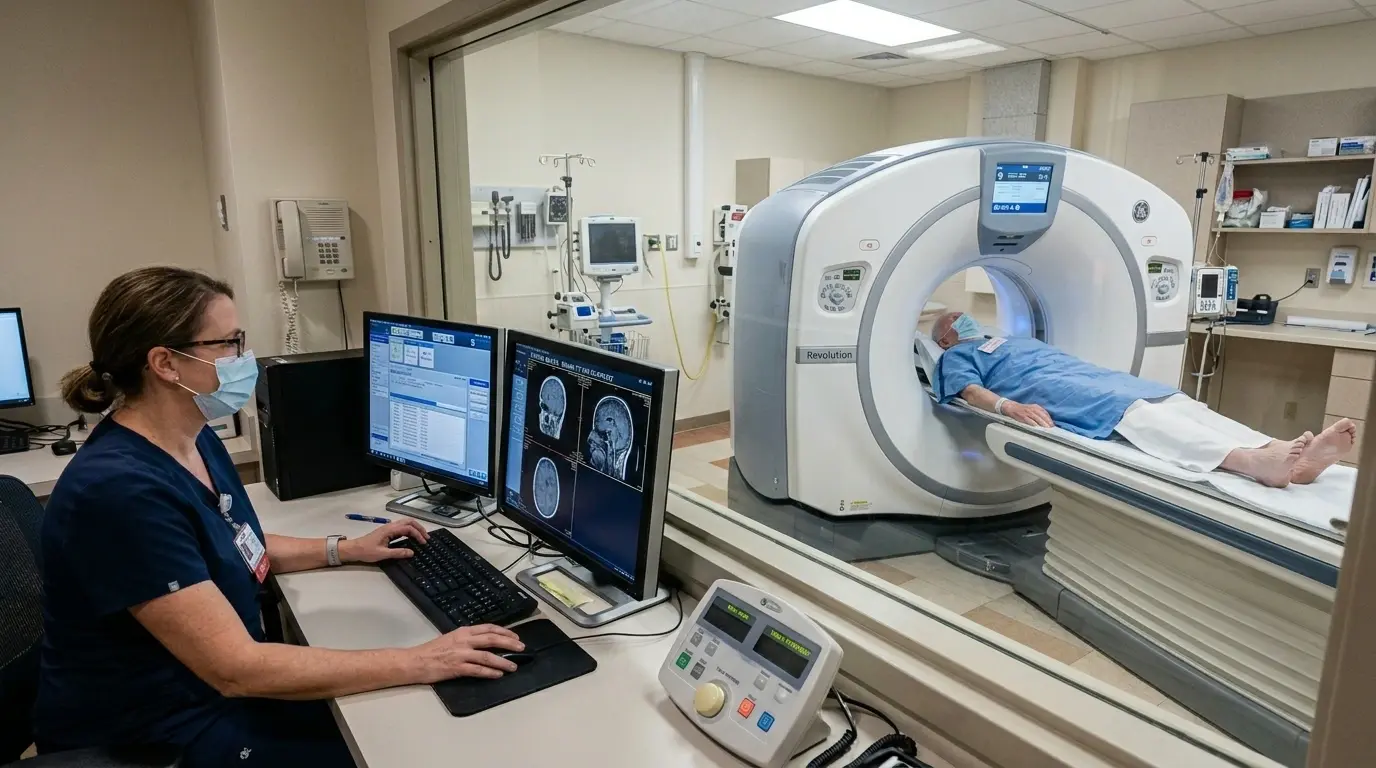
CPT Code 70551 is used for an MRI of the brain without contrast dye. This code applies when a doctor needs to examine the brain or nervous system in detail, such as in cases of stroke, brain tumors, multiple sclerosis, or chronic headaches. For instance, if a patient has frequent headaches and the doctor suspects a brain abnormality, an MRI without contrast is performed and billed using CPT Code 70551. Accurate use of this code ensures proper diagnosis and helps secure correct reimbursement.

When to Use CPT Code 70551

Here are the major uses of CPT Code 70551 in neurology treatment:

1. Assessment of Brain Structures and Blood Vessels (Non-contrast)

Non-contrast MRI provides detailed images of brain tissue, helping doctors evaluate structural abnormalities. While it shows some larger blood vessels, detailed evaluation for aneurysms or AVMs requires an MRA (Magnetic Resonance Angiography), which is coded separately, for example CPT 70544 (without contrast) or 70545 (with contrast).

2. Evaluation of Traumatic Brain Injury (TBI)

After a head injury, non-contrast MRI can show damage to soft brain tissue. It can detect problems like diffuse axonal injury, though very small changes might not be seen. CPT code 70551 is used for this type of MRI.

3. Detection of Congenital Brain or Brainstem Abnormalities

CPT code 70551 is used to check for brain and brain stem defects present from birth. The MRI gives clear images that help doctors plan treatment.

4. Infection or Inflammation

Non-contrast MRI can detect brain infections or inflammation, like meningitis or encephalitis. These conditions change the brain tissue in ways the scan can show. CPT code 70551 applies for this MRI.

5. Evaluation of Brain Ventricles and Cerebrospinal Fluid

CPT Code 70551 includes evaluation of brain ventricles and cerebrospinal fluid. This standard non-contrast MRI can help identify issues such as hydrocephalus or blockages, supporting diagnosis and treatment planning.

Supported Modifiers for Billing 70551 CPT Code

CPT Code 70551 is used for Magnetic Resonance Imaging (MRI) of the brain, including the brainstem, without the use of contrast material. This procedure helps evaluate neurological conditions such as stroke, tumor, or demyelinating diseases. When billing this service, appropriate modifiers must be applied based on the scope of work performed, whether it involves the professional interpretation, the technical process, or specific clinical circumstances. These modifiers apply when working with CPT Code 70551:

Modifier 26

Use modifier 26 with CPT Code 70551 when billing only for the professional component of the MRI, meaning the radiologist provides interpretation and a detailed report but does not supply the MRI equipment or staff. This modifier separates the professional fee from the technical portion, ensuring accurate reimbursement when different entities perform these services.

Modifier TC

Apply modifier TC with CPT Code 70551 when billing for only the technical component of the MRI, which includes the use of the MRI scanner, technologist supervision, and all supplies involved in image acquisition. This modifier is typically used by imaging centers or hospitals that provide the scanning service but do not interpret the results.

Modifier 59

Use modifier 59 when the MRI procedure (CPT 70551) is distinct or independent from other services performed on the same day. For example, if a brain MRI and a cervical spine MRI are both performed during the same encounter for different clinical reasons, modifier 59 clarifies that the procedures are separate and should not be bundled under National Correct Coding Initiative (NCCI) edits.

Modifier 76

Append modifier 76 to CPT 70551 when the same physician repeats the MRI on the same day, usually due to factors such as patient movement, technical failure, or the need for additional imaging sequences. This modifier indicates a repeat service by the same provider and must be supported by documentation explaining the reason for repetition.

Modifier 77

Use modifier 77 with CPT Code 70551 if the MRI is repeated on the same day by a different physician. This modifier helps distinguish the second interpretation or procedure performed by another radiologist or specialist, ensuring the payer understands it was not a duplicate billing.

Modifier 52

Apply modifier 52 when the MRI service is intentionally reduced or limited in scope. This occurs when only a portion of the standard MRI sequences is completed—often due to patient intolerance, emergency interruptions, or specific clinical instructions. Documentation must clearly indicate why the procedure was partially performed.

Modifier 53

Use modifier 53 when the MRI is started but discontinued before completion for valid medical reasons. Common scenarios include patient distress, claustrophobia, or equipment malfunction. This modifier informs payers that the service was partially performed and helps secure partial reimbursement when supported by appropriate clinical documentation.

Modifier 22

Append modifier 22 when the MRI requires significantly more time, effort, or technical difficulty than usual. This may occur in cases involving pediatric patients, severe motion artifacts, or complex positioning. Supporting notes must explain the additional work performed, as some payers require detailed justification for increased procedural effort.

How to Document CPT Code 70551 in Medical Records

When documenting CPT 70551 in medical records, you need to be clear and simple. CPT 70551 is a brain MRI without contrast. In the patient’s chart, write why the MRI is needed, like headaches, stroke check, or nerve problems. Include the date of the MRI, type of scan, and what the results showed. 

Also, note if anything special happened during the scan or if the patient had any problems. Writing everything clearly helps insurance pay for the scan and makes it easy for other doctors to understand the patient’s care.

Medicare Reimbursement for CPT Code 70551

CPT Code 70551 is covered by Medicare under the Medicare Physician Fee Schedule (MPFS), though exact payment may vary by region depending on the Medicare Administrative Contractor (MAC) and any local coverage determinations (LCDs).

Each MAC may issue its own local coverage determinations (LCDs), which outline specific rules, documentation requirements, and conditions for coverage. These rules can influence how much Medicare will reimburse for CPT 70551.

Because of these variations, healthcare providers should always check with their regional MAC to understand the latest reimbursement rates, required documentation, and any special policies that apply to this code. Staying up-to-date helps ensure accurate billing and reduces the risk of claim denials.

Conclusion

Accurate use of CPT Code 70551, along with appropriate modifiers, ensures proper documentation, Medicare reimbursement, and minimized claim denials. 

For healthcare providers, understanding when and how to apply CPT 70551 is essential for patient care and smooth billing processes. Implementing best practices in documenting indications, scan details, and outcomes helps streamline neurology billing services. Overall, mastery of CPT Code 70551 supports both clinical decision-making and financial accuracy, making it an indispensable part of modern neurology practice.

Brief Guide About CPT Code 45385

Gastroenterology billing involves managing medical codes, claims, and payments for procedures related to the digestive system. It ensures that gastroenterologists receive accurate reimbursement for services

Gastroenterology billing involves managing medical codes, claims, and payments for procedures related to the digestive system. It ensures that gastroenterologists receive accurate reimbursement for services such as colonoscopies, endoscopies, and other digestive health treatments. 

Because these procedures require precise documentation, many practices rely on specialized medical billing services to handle coding and claim submission efficiently.Suppose, if a patient visits a gastroenterologist with stomach pain and a colonoscopy reveals a small polyp that is removed using the snare technique, the correct code to bill is CPT 45385.

This guide explains the CPT 45385 procedure code in detail, covering billing guidelines, documentation tips, and common errors so you can submit clean, accurate gastroenterology claims every time.

45385 CPT Code Description

CPT Code 45385 is used when a routine colonoscopy turns into a therapeutic procedure. If the physician finds a polyp or abnormal growth during the exam and removes it immediately, the procedure changes from a screening to a treatment session.

The primary goal of this procedure is to identify and remove polyps before they can become cancerous. The doctor performs this using a snare technique, a looped wire that tightens around the base of the polyp and removes it. 

There are two types of snare methods, the cold snare, used for very small polyps under 5 mm, and the hot snare, used for larger polyps. CPT code 45385 covers both techniques.

When to Use CPT Code 45385

CPT code 45385 is often applied in colonoscopy procedures when polyps are removed. Here are three common situations to illustrate its use:

1. Hot Snare Removal of an Adenomatous Polyp

Adenomatous polyps, or adenomas, are the most frequently encountered colon polyps. While most are harmless, they can develop into colorectal cancer if left untreated. Suppose if a 55 year old man undergoes a routine screening colonoscopy due to a family history of colorectal cancer. A 6 mm adenomatous polyp is removed with a hot snare, and CPT code 45385 is used for billing.

2. Cold Snare Removal of Multiple Serrated Polyps

Serrated polyps appear in roughly 30% of colonoscopies. Though only a minority progress to cancer, their faster growth makes early removal important. Let’s take an example if a 45 year old woman visits her doctor for unexplained diarrhea. During a colonoscopy, the physician removes two small serrated polyps (3 mm and 4 mm) using a cold snare, reporting the procedure with CPT code 45385.

3. Removal of Recurrent Polyps in Follow-Up Colonoscopy

Polyps can reappear after initial removal, with 25-30% of patients having new polyps in follow-up exams. Timing depends on previous polyp size and type. Suppose a 61 year old woman returns three years after large polyps were removed. A new 6 mm adenoma is excised with a hot snare during her follow-up colonoscopy, and CPT code 45385 is billed.

4. Removal of Sessile Polyps During a Diagnostic Colonoscopy

Sessile polyps are flat or slightly raised growths in the colon. They are more difficult to detect and remove than pedunculated polyps. However, they can still become cancerous if left untreated. Suppose a 58 year old man complains of mild abdominal discomfort. During a diagnostic colonoscopy, the gastroenterologist identifies a 7 mm sessile polyp in the ascending colon and removes it using a hot snare. The procedure is billed with CPT code 45385.

Supported Modifiers for Billing 45385 CPT Code

Modifiers help clarify the circumstances under which CPT Code 45385 (colonoscopy with polypectomy) was performed. Using the correct modifier ensures accurate colonoscopy billing, prevents claim denials, and supports proper reimbursement. Here are the most commonly used modifiers for this code:

1. Modifier PT

Indicates that the colonoscopy began as a screening but became therapeutic or diagnostic after a polyp was found and removed.

2. Modifier 22

Used when the colonoscopy is unusually difficult or complex, requiring significantly more time or effort than usual.

3. Modifier 53

Applies when the procedure is started but must be stopped for medical or safety reasons before completion.

4. Modifier 59

Reports that another procedure was performed during the same session that is separate and distinct from the primary service.

5. Modifier 52 

Used when only part of the procedure is performed, but not the entire service as described by CPT Code 45385.

Correctly applying these modifiers is essential for compliance and accurate reimbursement in colonoscopy billing.

How to Bill and Get Reimbursed for CPT Code 45385

Incorrect coding of CPT Code 45385 for polyp removal is a common cause of claim denials, resulting in lost time and revenue. To ensure accuracy and maximize reimbursement, follow these expert tips for billing CPT 45385 correctly.

Verify Payer Specific Rules for CPT Code 45385

While the Affordable Care Act generally covers colorectal cancer screening, payer policies can vary. Some insurers may apply co-payments or coinsurance if a screening becomes a therapeutic procedure.

Always confirm that CPT Code 45385 is covered with no patient cost-sharing under the plan. Performing an eligibility check before billing speeds up reimbursement and enhances patient satisfaction.

Use CPT Code 45385 Precisely

CPT 45385 applies when a colonoscopy involves the removal of polyps, tumors, or other lesions using a snare technique, with or without electrocautery.

Do not confuse this code with other polypectomy codes such as 45380 (cold biopsy) or 45384 (hot biopsy). Double-check all code descriptions before claim submission to ensure accuracy.

Document Thoroughly for CPT Code 45385

Incomplete documentation is a leading reason for denied claims. Each operative note should clearly state whether the colonoscopy was performed for screening, diagnosis, or follow-up. Include details such as:

  • Number, size, and location of all polyps removed
  • Removal technique used (e.g., snare, electrocautery)
  • ICD-10 diagnosis codes showing medical necessity
  • Any specimens sent for pathology and their findings

Complete, accurate documentation not only supports proper reimbursement but also protects the provider during audits.

Sequencing Modifiers with CPT Code 45385

If you need to use more than one modifier, the order is important. Always put the modifier that affects payment first, and then add the modifier that only gives extra information.

Conclusion

The CPT Code 45385 stands out in the field of gastroenterology to ensure proper and accurate billing for colonoscopy procedures involving polyp removal. From hot to cold snare techniques, coding and documentation have a direct bearing on reimbursement and compliance.

To reduce claim denials by up to 20% and speed up reimbursement, follow payer-specific rules, use the appropriate modifiers (such as PT, 22, or 59), and maintain detailed operative notes.

Collaborating with gastroenterology billing service providers streamlines the process and reduces errors. This helps maximize reimbursement and allows physicians to focus more on patient care.

Brief Guide to CPT Code 72148

CPT Code 72148 is essential for accurate radiology billing, especially for MRI scans of the lower back (lumbar spine). Using this code correctly ensures that healthcare providers are properly reimbursed for these services.

CPT Code 72148 is essential for accurate radiology billing, especially for MRI scans of the lower back (lumbar spine). Using this code correctly ensures that healthcare providers are properly reimbursed for these services.

Mistakes in coding can lead to denied claims and delayed payments. This guide will walk you through the key details for using CPT Code 72148 correctly and help you avoid common billing errors.

72148 CPT Code Description

CPT Code 72148 is used for a lumbar MRI (Magnetic Resonance Imaging) of the lower back without contrast. This scan uses powerful magnets and radio waves to produce detailed images of the vertebrae, discs, spinal cord, and surrounding soft tissues.

Doctors use this MRI to diagnose conditions such as herniated discs, spinal stenosis, degenerative disc disease, tumors, infections, and nerve problems. The procedure is non-invasive, does not involve radiation, and usually takes 30 to 45 minutes.

Key Uses of CPT Code 72148 in Spinal Imaging

Here are the key uses of CPT code 72148:

Imaging of the Lumbar Spine

CPT Code 72148 is used for MRI imaging of the lumbar spine, including the vertebrae, discs, spinal cord, and surrounding soft tissues. This detailed scan helps diagnose conditions such as herniated discs, spinal stenosis, and nerve root compression.

The MRI provides clear images of the bones, intervertebral discs, spinal cord, nerve roots, ligaments, and muscles around the spine, allowing healthcare providers to accurately assess and treat lumbar spine conditions.

Without Contrast Material

CPT 72148 applies specifically to MRI scans performed without contrast agents like gadolinium. This type of MRI uses only magnets and radio waves to produce detailed images, making it safe for patients who cannot receive contrast.

It is commonly used when contrast isn’t medically necessary or when patients have contraindications, such as severe kidney disease or allergies to contrast agents. Proper use of CPT 72148 ensures accurate radiology billing and reduces the risk of claim denials.

Diagnostic Purpose

An MRI billed under CPT Code 72148 is used to diagnose and evaluate various lumbar spine problems, including herniated discs, spinal stenosis (narrowing of the spine), degenerative disc disease, facet joint arthritis, and nerve root compression.

This lower back MRI provides detailed images that help doctors pinpoint the exact cause of symptoms such as back pain or nerve issues. Accurate imaging under CPT 72148 allows healthcare providers to plan the most effective treatment and ensure proper documentation for radiology billing.

Non-Contrast Imaging Specificity

Since this MRI doesn’t use contrast, it focuses on structural changes in the spine rather than highlighting areas like inflammation, tumors, or blood flow, which typically require contrast. This makes it especially good for spotting mechanical issues like disc bulges, degenerative changes, or bone abnormalities.

Common Errors to Avoid When Using 72148 CPT Code

CPT Code 72148 is used for billing an MRI of the lumbar spine without contrast. While this code is essential for accurate billing, medical billers and coders often make errors that can result in claim denials. Below are some common mistakes related to this code and tips on how to avoid them:

Incorrect Code Selection

A common error is using incorrect codes for cervical or thoracic MRIs instead of 72148, leading to claim rejections. It is vital to confirm that the MRI is for the lumbar spine, not other regions, to ensure the correct code is applied.

Missing or Insufficient Documentation

For CPT Code 72148 to be processed correctly, documentation must clearly show the medical necessity of the MRI and include detailed information about the procedure. Insurance payers often deny claims when physician notes don’t explain why the MRI of the lumbar spine was required.

To avoid rejections, ensure that the patient’s medical record fully supports the use of CPT Code 72148, including the reason for the MRI, clinical findings, and specific details of the examination. Proper documentation not only prevents claim denials but also supports accurate radiology billing and faster reimbursements.

Bundling Errors

Bundling errors are a common issue when billing CPT Code 72148 for lumbar MRI procedures. Some billers mistakenly combine the MRI with other services unless the payer’s specific guidelines allow it. These errors happen when multiple procedures are grouped under one code without proper justification, often leading to claim denials or payment delays. Always verify payer rules to ensure that the lumbar MRI is billed separately and correctly within radiology billing guidelines.

Failing to Differentiate Between With and Without Contrast

CPT Code 72148 is exclusively for MRIs performed without contrast. If contrast was used, apply the correct alternative:

CPT Code 72149: MRI lumbar spine with contrast material

CPT Code 72158: MRI lumbar spine without contrast, followed by with contrast and further sequences

Using the wrong code based on contrast usage will result in automatic claim rejection.

Modifiers to Use with CPT Code 72148

When billing for an MRI of the lumbar spine without contrast using CPT Code 72148, there are certain modifiers that may be needed based on the situation. Modifiers provide extra details about the procedure and help prevent claim denials. Here is a list of modifiers that could apply:

Modifier 26

Modifier 26 is used when billing for the physician’s interpretation of the MRI, typically by a radiologist who does not own the equipment.

Modifier TC

This modifies use when radiology billing only for the facility’s services, including equipment use, technician time, and the actual scanning procedure. Hospitals and imaging centers typically use this modifier.

Modifier 52

This modifies use of this modifier if the MRI procedure was partially reduced or if it was not performed in the usual way. This could happen if there were limitations during the procedure or if fewer images were taken.

Modifier 53

This modifier is used if the MRI was started but then stopped, typically due to unforeseen circumstances or medical reasons, like the patient’s condition or issues with the equipment.

Modifier 59

If the MRI is performed alongside other procedures on the same day but should be treated as a separate and distinct service, this modifier is used. It ensures the MRI isn’t mistakenly bundled with other services.

Modifier 76

If the same physician repeats the MRI on the same day due to clinical necessity, this modifier is used to indicate that the procedure was repeated by the same doctor.

Modifier 77

If a different physician repeats the MRI on the same day, use this modifier. This usually happens if another doctor needs to confirm the findings or conduct a more detailed exam.

Billing and Reimbursement Guidelines for CPT Code 72148

If your claim for CPT code 72148 was denied due to medical necessity or another reason, here’s a guide to help you bill it correctly and ensure reimbursement:

Coverage and Documentation Requirements

Medicare coverage for CPT code 72148 is conditional and applies only when specific criteria are met. The procedure must be medically necessary, and your clinical documentation must provide clear evidence of why the MRI is needed. This includes:

  • A detailed account of the patient’s medical history.
  • Document the physical examination results that justify the MRI.
  • Include information on any treatments the patient has already tried.

Some insurers require patients to undergo at least four weeks of conservative treatment before approving an MRI for non-emergency conditions. Make sure to include this treatment history to avoid claim denials.

Reimbursement Rates

The reimbursement rate for CPT Code 72148 can vary depending on your location and the type of facility where the MRI is performed. Since rates differ between hospital and non-hospital settings, it’s best to check with your local Medicare Administrative Contractor (MAC) for the most accurate information. You can also use the Medicare Physician Fee Schedule (PFS) Lookup Tool to find the exact CPT 72148 reimbursement rate for your area.

Pre-Authorization Requirements

Many insurance providers require prior authorization for CPT code 72148 before performing the MRI. This process involves submitting detailed clinical information, such as:

  • Symptoms and how long they’ve been present.
  • Any treatments attempted before the MRI.
  • Physical exam findings.
  • The clinical questions the MRI will answer.

Without prior authorization, your claim may be denied, so it’s crucial to verify with the insurance payer if it’s needed. Be sure to obtain approval before performing the MRI. Also, check if there are additional billing requirements to ensure your claim is processed smoothly.

Audit Checklist for CPT Code 72148 Claims

Conducting a proper audit for CPT Code 72148 claims ensures accuracy, compliance, and timely reimbursement in radiology billing. Use the following checklist to review MRI lumbar spine claims and avoid denials:

1. Verify CPT Code Accuracy

Confirm that CPT Code 72148 is the correct code for the MRI of the lumbar spine (without contrast).

2. Confirm Patient Eligibility

Verify that the patient’s insurance covers MRI procedures and that all demographics and policy details are accurate.

3. Medical Necessity Documentation

Include the physician’s MRI order and clear justification for the procedure based on symptoms, diagnosis, or prior findings.

4. Review Clinical Notes

Ensure relevant clinical notes and patient history support the need for the MRI procedure.

5. Check Modifier Use

Apply appropriate modifiers such as 26 (professional component) or TC (technical component), if required.

6. Verify Insurance Pre-Authorization

Confirm that pre-authorization was obtained when required by the payer to prevent claim denials.

7. Ensure Correct Diagnosis Codes (ICD-10)

Use ICD-10 codes that accurately support the medical necessity of the MRI procedure.

8. Review the Radiology Report

Make sure the MRI report clearly describes the findings and is signed by the interpreting physician.

9. Check Billing Details

Confirm the place of service, provider details, and all required billing information before claim submission.

10. File Claims on Time

Submit claims within the payer’s timely filing limits to ensure prompt reimbursement.

11. Follow Up on Claim Status

Track each claim after submission to identify delays, denials, or requests for additional information.

A thorough audit of CPT Code 72148 claims helps maintain compliance, reduce denials, and strengthen overall radiology billing accuracy.

Bottom Line

Accurate code selection, proper documentation, and adherence to payer guidelines are crucial to avoid claim denials. Common errors include using incorrect codes, insufficient documentation, and failing to distinguish between MRIs with and without contrast, such as CPT Code 72148 for a non-contrast MRI of the lumbar spine.

By following the correct billing guidelines and using the right modifiers, you can speed up claim processing and enhance accuracy. For healthcare providers seeking assistance with radiology billing services, Nexus io offers expert support to ensure accurate claims and smooth reimbursements for MRI procedures and more.

CPT Code 96372: A Comprehensive Guide for Medical Billing Professionals

Understanding CPT Code 96372 is essential for anyone involved in medical billing and coding, especially for those in settings like primary care clinics, OB/GYN practices, pain management centers, and urgent care facilities.

Understanding CPT Code 96372 is essential for anyone involved in medical billing and coding, especially for those in settings like primary care clinics, OB/GYN practices, pain management centers, and urgent care facilities. This code is used to report the administration of therapeutic, diagnostic, or prophylactic substances through intramuscular (IM) or subcutaneous (SC) injections. Below,e dive deep into its applications, billing best practices, common denial reasons, and the correct use of modifiers to ensure optimal reimbursement.

What is the Description of CPT Code 96372?

CPT Code 96372 refers to the administration of a therapeutic, prophylactic, or diagnostic substance via subcutaneous (SC) or intramuscular (IM) injection. This code is used for single-shot injections of medications or drugs, which can include treatments for pain management, antibiotic treatment, vaccination (excluding vaccines covered by separate codes), or even diagnostic dyes used in imaging procedures.

  • Intramuscular injections are typically administered directly into muscle tissue, ensuring quick absorption.
  • Subcutaneous injections are delivered beneath the skin into the fatty tissue, often for longer-acting medications.

This code is widely used by physicians, nurses, and other healthcare professionals under the direct supervision of a physician.

Note: CPT Code 96372 is not applicable for vaccines, chemotherapy drugs, or toxoids, as these have their own specific CPT codes.

When to Use CPT Code 96372

1. Antibiotic Treatment for Pneumonia (Therapeutic)

An elderly patient is diagnosed with pneumonia, requiring urgent antibiotic treatment. Since the patient’s immune system is compromised, the physician administers an intramuscular injection of ceftriaxone (a common antibiotic for pneumonia). The injection is essential both for treating the current infection and for prophylaxis against secondary bacterial infections.

For this scenario, CPT Code 96372 is applicable as it covers both therapeutic and preventive purposes.

2. Naltrexone Injection for Substance Abuse Treatment (Therapeutic)

In a rehabilitation clinic, a patient recovering from opioid addiction receives an intramuscular naltrexone injection to help block the effects of opioids. This medication is typically administered once a month under the supervision of the physician, aiding in long-term abstinence.

This is another scenario where CPT Code 96372 is used because the injection is therapeutic and administered by the physician.

3. Subcutaneous Contrast Dye for Imaging (Diagnostic)

For a lymphangiography procedure, the physician administers subcutaneous contrast dye to help visualize the lymphatic system. This diagnostic injection aids in the detection of blockages, lesions, or lymphatic diseases. However, this injection is generally bundled with the imaging service, and separate billing may not always be allowed.

Common Denial Reasons for CPT Code 96372

CPT Code 96372 is frequently used, but claims can be denied if the following conditions are not met. Below are some common reasons for denials:

1. Incorrect Administration

If the injection was not administered by the physician or under their direct supervision, the claim can be rejected. It’s crucial that the correct healthcare professional is listed as the person performing the injection. This is particularly important in cases where the injection was administered by a nurse or other staff member without proper physician oversight. 

Ensuring that the physician’s supervision or direct administration is documented properly is essential for compliance with CPT billing guidelines.

2. Wrong Substance

CPT Code 96372 is not applicable for vaccines, chemotherapy drugs, or toxins (toxoids), as these substances are assigned separate CPT codes. For example, vaccines should be billed with CPT codes 90460-90593, and chemotherapy treatments require the use of CPT codes 96401-96402. 

Failing to use the correct code for vaccination or chemotherapy can lead to an immediate claim denial, so it’s vital to check the drug category and HCPCS code before billing. This helps ensure accurate reporting for reimbursement purposes and proper claim adjudication.

3. Bundled Procedures

In certain healthcare settings like hospitals or emergency rooms, CPT Code 96372 may be bundled into a more comprehensive procedure, such as an imaging exam or a surgical procedure. When procedures are bundled, the individual injections cannot be billed separately. Medicare and other insurers often apply bundling rules for injections that are part of larger procedures, meaning CPT Code 96372 would not be reimbursed separately. 

It’s important to review payer-specific guidelines and local coverage determinations (LCDs) to ensure that the injection is not already included in the payment for the primary procedure.

4. Inadequate Documentation

Lack of proper documentation is one of the most common reasons for a claim denial. Missing critical details such as the drug name, dosage, or patient diagnosis can result in the rejection of a claim. It is crucial to provide all required details, including HCPCS codes for the drugs administered, to demonstrate medical necessity. 

ICD-10 codes that justify the therapeutic, prophylactic, or diagnostic need for the injection should also be clearly listed. Detailed clinical notes from the physician regarding the injection and any supporting documents should be included with the claim submission.

5. Modifier Issues

If multiple injections are administered on the same day, it is essential to use the correct modifier to indicate distinct procedures. Modifier 59 (Distinct Procedural Service) should be applied when CPT Code 96372 is used in conjunction with other procedures or injections that are considered separate and unrelated. Modifiers help provide additional context for billing and are necessary for ensuring that each distinct procedure is reimbursed appropriately. 

Without the proper use of modifiers like 59, RT, or LT, the payer may consider the injections part of a larger bundled service, leading to denials or incorrect payment amounts.

How to Use Modifiers with CPT Code 96372

Modifiers help provide additional context to CPT Code 96372 and can clarify complex scenarios where multiple injections or procedures are involved. Here’s a breakdown of common modifiers:

  • Modifier 59 (Distinct Procedural Service): Used when multiple injections are performed on the same day, but each procedure is distinct and requires separate reimbursement.
  • Modifier RT/LT (Right/Left Side): Essential when the injection is given on either side of the body (e.g., left shoulder or right gluteal muscle).
  • Modifier JW (Drug Wasted): Used when part of the drug administered is discarded (for example, if the full syringe amount was not needed).
  • Modifier 76 (Repeat Procedure): Used when the same injection is administered at a later time on the same day.

Using these modifiers appropriately ensures that the payer understands the nuances of the procedure, increasing the likelihood of reimbursement.

Billing Best Practices for CPT Code 96372

1. Maintain Detailed Documentation

It’s essential to maintain detailed documentation for every injection administered. This includes the patient’s medical history and the specific reason for the injection, which helps establish the medical necessity of the procedure. 

Additionally, the drug name, its corresponding HCPCS code, and the exact dosage administered should be clearly recorded to ensure proper billing and compliance. The physician’s notes, as well as documentation of their supervision, are also crucial to verify that the procedure was performed under the required standards. Proper documentation not only supports accurate coding but also helps avoid potential claim denials.

2. Report One Unit Per Drug

Even if an injection is split into multiple syringes, report one unit for each drug. If two distinct drugs are administered, use the modifier 59 for a distinct procedure.

3. Be Aware of Payer-Specific Guidelines

Medicare, Medicaid, and commercial insurers each have different reimbursement rules. Always verify payer-specific policies before submitting claims to avoid mistakes. For example, Medicare may have local coverage determinations (LCDs) that affect reimbursement for certain types of injections.

Final Thoughts on CPT Code 96372

Accurate application of CPT Code 96372 is crucial for getting timely reimbursements and minimizing denial rates. By following best practices for documentation, understanding the role of modifiers, and being aware of payers’ specific guidelines, you can ensure that this widely used code is applied effectively in your practice.

At Nexus IO, our team  Oncology billing services include CPT coding by AAPC-certified coders ensures that every claim is handled with precision, maximizing reimbursement and reducing administrative stress for healthcare providers.

Frequently Asked Questions

Can CPT code 99214 and 96372 be billed together?

Yes, CPT code 99214 (office or outpatient visit, typically for established patients) and CPT code 96372 (intramuscular or subcutaneous injection) can be billed together under certain conditions. However, you must ensure that the evaluation and management (E/M) service (CPT 99214) is separately identifiable from the injection procedure (CPT 96372). In this case, modifier 25 would likely be necessary to indicate that the E/M service is distinct from the injection. Documentation should support the medical necessity of both services, and the injection must not be part of a bundled procedure related to the office visit.

CPT 96372 refers to the administration of a therapeutic, prophylactic, or diagnostic substance via intramuscular (IM) or subcutaneous (SC) injection, including medications or diagnostic agents. It’s used for single-shot injections under physician supervision.

CPT 90471, on the other hand, is specifically used for vaccine administration (intramuscular or subcutaneous). The main difference is that CPT 90471 is exclusively for vaccines and toxoid injections, while CPT 96372 is used for various types of therapeutic, diagnostic, or prophylactic substances other than vaccines.

To sum up, CPT 90471 is for vaccines, while CPT 96372 covers a broader range of non-vaccine injections.

CPT 20610 refers to the aspiration or injection of a joint, often performed for diagnostic or therapeutic purposes, such as injecting steroid medications into the joint space. It is specifically for the joint injection procedure.

CPT 96372, however, pertains to intramuscular or subcutaneous injection of therapeutic, prophylactic, or diagnostic substances—it’s not related to joint injection but to medications or diagnostic dyes. The key difference is that CPT 20610 is for joint injections, while CPT 96372 is for IM/SC injections of therapeutic drugs.

CPT 96372 is used for intramuscular (IM) or subcutaneous (SC) injections of therapeutic, prophylactic, or diagnostic substances, and is typically used for single-shot injections. It covers injections such as antibiotics, pain medications, or contrast agents for imaging.

CPT 96374, on the other hand, refers to intravenous (IV) injections of a similar nature, meaning it applies to IV infusions or injections of therapeutic, prophylactic, or diagnostic substances. So, the primary difference is the route of administration: CPT 96372 is for IM/SC injections, while CPT 96374 is for IV injections.

CPT 96372 is used for the administration of substances via intramuscular or subcutaneous injection, while J3420 is a HCPCS code specifically used to report Kenalog (triamcinolone acetonide) injections, typically administered for allergy or inflammatory conditions.

The main difference is that CPT 96372 is a general procedure code for injections, while J3420 specifically pertains to the administration of Kenalog. If Kenalog is being injected via IM or SC, CPT 96372 would be used along with J3420 to specify the drug.

Yes, CPT 96372 can be billed with CPT 99211 (a minimal office visit code). However, it is important that the injection and E/M service are separate and distinct. In this case, modifier 25 is typically required to indicate that the E/M service (99211) is distinct from the injection procedure (96372). Since 99211 is for a minimal service (typically a nurse visit with minimal physician involvement), the injection must be documented and justified separately as a necessary and distinct procedure to avoid a claim denial.

Yes, CPT 96372 (for injection of therapeutic substances) can be billed with CPT 20610 (for joint injections), as long as the injections are separate procedures. In this case, you may need to apply modifier 59 to indicate that these are distinct procedures. CPT 20610 is for joint aspiration or injection (e.g., steroid injection into a joint), while CPT 96372 is for IM/SC injections, so they can be billed together when done at the same time.

Yes, modifier 25 may be necessary when CPT 96372 is billed along with an evaluation and management (E/M) service (such as CPT 99214 or 99211) on the same day. Modifier 25 indicates that the E/M service is significant and separately identifiable from the injection procedure. This modifier ensures that the payer understands that the E/M and injection are separate and compensable services.

Dermatology CPT Codes and Modifiers for Billing and Procedures

Accurate medical coding is a fundamental aspect of successful dermatology practice management. As we progress into 2025, dermatology CPT (Current Procedural Terminology) codes continue to evolve, covering a broad range of services from evaluation and management (E/M) visits to biopsies, lesion destruction, excisions, Mohs surgery, wound closures, phototherapy, pathology services, and telehealth updates.

Accurate medical coding is a fundamental aspect of successful dermatology practice management. As we progress into 2025, dermatology CPT (Current Procedural Terminology) codes continue to evolve, covering a broad range of services from evaluation and management (E/M) visits to biopsies, lesion destruction, excisions, Mohs surgery, wound closures, phototherapy, pathology services, and telehealth updates. This guide offers an in-depth overview of dermatology CPT codes for 2025, detailing definitions, usage scenarios, Modifiers, ICD-10 Codes and Billing Guidelines.

Evaluation and Management (E/M) Codes

E/M codes are essential for documenting the complexity and scope of patient interactions, providing clarity on the time spent and the decision-making involved in patient care.

New Patient Visits (CPT 99202 – 99205)

These codes apply when a new patient seeks care. A new patient is defined as someone who has not received services from the same provider or specialty group in the past three years. The levels range from straightforward to highly complex cases, based on the duration of the visit and the complexity of the medical decision-making.

  • 99202: This code is used for a 15–29 minute visit with straightforward decision-making, suitable for a basic evaluation of a new skin condition.
  • 99203: A 30–44-minute visit, typically involving low to moderate complexity, such as the evaluation of a new mole or rash with a planned follow-up.
  • 99204: For visits lasting 45–59 minutes, this code is used when moderate complexity is involved, such as a detailed full-body exam for a patient with a suspicious lesion and preparation for a biopsy.
  • 99205: A highly complex visit lasting 60–74 minutes, often seen in patients with multiple dermatological concerns or conditions requiring extensive management.

For example, a dermatologist performing a full skin exam on a new patient who presents with a suspicious mole and discusses potential biopsy options would likely use code 99204.

Established Patient Visits (CPT 99211 – 99215)

For follow-up visits and ongoing management of established patients, these codes reflect the time spent and the complexity of the care provided.

  • 99211: This minimal service code is typically used for quick follow-ups that require a nurse’s involvement, often around 5–10 minutes.
  • 99212: A low complexity visit of 10–19 minutes, where a patient might return for routine follow-up, such as adjusting their treatment plan for eczema or acne.
  • 99213: A more detailed visit (20–29 minutes), typically involving a moderate complexity case like the ongoing management of psoriasis or a post-treatment review after a biopsy.
  • 99214: Moderate complexity with a 30–39-minute duration. A patient returning for a check-up after starting biologic therapy for psoriasis would likely be coded as 99214.
  • 99215: A high complexity visit (40–54 minutes), often involving a patient with multiple concerns or requiring a detailed review of their treatment progress.

Consultation Codes (CPT 99241 – 99245)

These codes are used for consultations requested by another physician. While Medicare no longer reimburses consultation codes, many private insurers still accept them, or they can be replaced by the corresponding office visit codes.

  • 99241: A simple consultation lasting approximately 15 minutes.
  • 99242: Low complexity consultation of around 30 minutes.
  • 99243: Moderate complexity consultation, usually taking about 40 minutes.
  • 99244: High complexity consultation, around 60 minutes.
  • 99245: Very high complexity consultation, typically lasting 80+ minutes.

Biopsy Codes

Biopsies are critical in dermatology for diagnosing various conditions, especially skin cancer. There are several biopsy codes based on the technique used and the number of lesions sampled.

  • 11102: Tangential (shave) biopsy for the first lesion. This is commonly used to remove superficial skin lesions for examination.
  • 11103: Each additional tangential lesion. This code is used when additional skin lesions are biopsied using the same technique.
  • 11104: Punch biopsy for the first lesion, using a cylindrical blade to remove a deeper sample from the skin.
  • 11105: Each additional punch biopsy. Used when additional lesions are biopsied with a punch technique.
  • 11106: Incisional biopsy for the first lesion, where only a portion of the lesion is removed for diagnostic purposes.
  • 11107: Each additional incisional lesion.

For instance, a dermatologist may perform a shave biopsy on a pigmented nevus and a punch biopsy on a psoriatic plaque in the same visit, using 11102 for the shave biopsy and 11104 for the punch biopsy.

Lesion Destruction Codes

Lesion destruction is commonly used in dermatology to remove or treat precancerous or benign growths, such as actinic keratoses or warts.

Premalignant Lesions (Actinic Keratoses)

  • 17000: The first lesion in the treatment of actinic keratoses, often treated by cryotherapy or other methods.
  • 17003: For each additional actinic keratosis lesion (2–14).
  • 17004: For 15 or more actinic keratosis lesions treated in one session.

A dermatologist might treat ten actinic keratoses on a patient’s scalp with cryotherapy, coding this as 17000 + 17003 x9.

Benign Lesions

  • 17110: Removal of up to 14 benign lesions, such as warts or molluscum contagiosum.
  • 17111: Removal of 15 or more benign lesions.

For example, a teenager with 20 plantar warts might receive treatment using liquid nitrogen, and this would be coded as 17111.

Excision of Lesions

Excision codes are used for the surgical removal of lesions, with separate codes for benign and malignant growths. These procedures typically involve removing a lesion along with some surrounding tissue to ensure clear margins.

Benign Lesions (CPT 11400–11446)

These codes cover the excision of benign tumors, including simple moles, cysts, and skin tags, where the margins are typically well-defined.

Malignant Lesions (CPT 11600–11646)

These codes are used for excising malignant skin cancers such as basal cell carcinoma, squamous cell carcinoma, and melanoma, with proper margins to ensure full removal of the cancerous tissue.

For instance, the excision of a 2.5 cm basal cell carcinoma from a patient’s neck would be billed as 11623.

Mohs Micrographic Surgery (CPT 17311–17315)

Mohs surgery is a specialized technique where thin layers of cancerous skin are excised and immediately examined under a microscope to confirm clear margins. This procedure is typically used for skin cancers on critical areas, such as the face.

  • 17311: First stage of Mohs surgery for head, neck, hands, feet, or genitalia.
  • 17312: Each additional stage of Mohs surgery on the same site.
  • 17313: First stage of Mohs surgery for the trunk, arms, or legs.
  • 17314: Additional stages for Mohs surgery on the trunk, arms, or legs.
  • 17315: Additional blocks of tissue removed during Mohs surgery, reported per 5 blocks.

For example, a patient with basal cell carcinoma on the nose who requires two stages of Mohs surgery would be billed as 17311 + 17312.

Repairs and Wound Closure Codes

After excision or trauma, wound closure may be necessary, with codes based on the complexity of the closure.

  • 12001–12021: Simple repairs involving the epidermis and dermis only.
  • 12031–12057: Intermediate repairs that involve more than just the skin’s surface, such as repairing the subcutaneous tissue.
  • 13100–13160: Complex repairs, such as using flaps, stents, or undermining techniques to close the wound.

For instance, a 4 cm layered closure on the scalp following an excision would be billed as 12032.

Phototherapy and Special Treatments

Phototherapy codes are used for treatments that involve the application of light, such as ultraviolet (UV) light therapy, which is commonly used for conditions like psoriasis and eczema.

  • 96900: Actinotherapy (UV light therapy) without psoralens, typically used for skin conditions such as psoriasis.
  • 96910: Photochemotherapy (tar or petrolatum + UVB), commonly used in combination therapies for skin conditions.
  • 96567: Photodynamic therapy (PDT) for premalignant or malignant lesions, especially in the treatment of actinic keratosis.

If a patient undergoes PDT for actinic keratoses on their face, it would be coded as 96567 + J7308 (topical aminolevulinic acid).

Pathology and Lab Work Codes

Pathology plays a crucial role in dermatology for accurate diagnosis, especially with skin biopsies. These codes are used to document the analysis of tissue samples.

  • 88304: Surgical pathology, Level III, for gross and microscopic examination of tissue.
  • 88305: Surgical pathology, Level IV, which is most commonly used for skin biopsies.
  • 88312: Special stains, such as those for fungal or bacterial infections.
  • 88341: Immunohistochemistry, single antibody.

For example, a skin biopsy performed to investigate a suspected fungal infection would be billed as 88305 + 88312.

Telehealth Updates for 2025

With the rise of virtual care, the AMA introduced new telehealth CPT codes in 2025, further expanding options for remote consultations.

  • 98016: This code is covered by Medicare for telehealth services in dermatology, such as follow-up consultations for acne or skin conditions.
  • 98000–98015: These codes are considered invalid under Medicare but may be accepted by private insurers for virtual visits.

For example, a dermatologist conducting a virtual follow-up for acne may bill 98016 if covered by Medicare or use an alternative code under private insurance.

Common Dermatology Modifiers

Modifiers are codes added to the primary CPT (Current Procedural Terminology) code to provide additional information or clarification. These modifiers help avoid claim denials and ensure that the services provided are correctly understood by insurers. Below are some commonly used modifiers in dermatology:

Modifier -25: Significant, Separately Identifiable E/M Service

This modifier is used when an Evaluation and Management (E/M) service is performed on the same day as a procedure. It indicates that the E/M service provided is significant and separate from the procedure performed. For example, if a dermatologist evaluates a new rash and performs a shave biopsy during the same visit, modifier -25 would be added to the E/M code to reflect that two distinct services were provided on the same day.

Modifier -59: Distinct Procedural Service

Modifier -59 is used when two procedures, which are not normally reported together, are performed at different sites or at different sessions. For instance, if a dermatologist performs a destruction of actinic keratoses on one area of the skin and a punch biopsy on a different site, modifier -59 would be used to distinguish the two services as being separate procedures even though they occurred during the same patient encounter.

Modifier -76: Repeat Procedure by the Same Physician

This modifier indicates that a procedure performed earlier in the same session was repeated by the same physician. A common scenario for its use is when cryotherapy is repeated on new actinic keratoses after the initial treatment. This modifier ensures that the payer understands that the same procedure was done multiple times during the same visit.

Modifier -77: Repeat Procedure by Another Physician

Modifier -77 is used when a repeat procedure is performed by a different physician than the one who initially performed the procedure. This could apply in a situation where a second dermatologist repeats a procedure, such as excising a lesion, due to complications or a continuation of care.

Modifier -58: Staged or Related Procedure

This modifier is used when a subsequent procedure is planned and related to the initial procedure, often performed within a set time frame after the first procedure. A typical use would be a staged excision of melanoma after the initial biopsy confirms malignancy. This modifier helps indicate that the second procedure is a part of the treatment plan and is not a new or separate issue.

Modifier -59 vs. -X Modifiers (X{EPS})

The Centers for Medicare and Medicaid Services (CMS) have introduced more specific X modifiers in place of modifier -59 in certain situations for greater clarity. These include:

  • XE: Separate encounter
    Used when procedures are performed at separate encounters.
  • XS: Separate structure
    Indicates procedures performed on separate structures.
  • XP: Separate practitioner
    Shows that procedures were performed by different practitioners.
  • XU: Unusual non-overlapping service
    Used when procedures are unrelated but occur during the same encounter.

Common Dermatology ICD-10 Codes

ICD-10 codes in dermatology are essential for documenting diagnoses and ensuring the proper medical treatments are provided. These codes must align with the services rendered to avoid any discrepancies, especially when seeking insurance reimbursement. Below are some of the most common dermatology ICD-10 codes, categorized by the condition they represent.

Skin Cancer

C44.0–C44.9: Non-melanoma Skin Cancers

This code group encompasses various non-melanoma skin cancers, such as basal cell carcinoma and squamous cell carcinoma, with specific codes for different sites of occurrence on the body.

C43.0–C43.9: Malignant Melanoma of Skin

These codes represent malignant melanoma, a form of skin cancer that originates in the melanocytes. These codes are further divided by the anatomical site where the melanoma is located.

D04.0–D04.9: Carcinoma in Situ of Skin

Carcinoma in situ represents an early stage of skin cancer, where the malignant cells are confined to their original location and have not spread. This code set captures various forms of carcinoma in situ affecting different areas of the skin.

Premalignant Lesions

L57.0: Actinic Keratosis

Actinic keratosis refers to a precancerous condition caused by prolonged sun exposure, where thick, scaly patches appear on the skin. If left untreated, it can progress into squamous cell carcinoma.

L57.8: Other Skin Changes Due to Chronic Sun Exposure

This diagnosis code captures other skin alterations such as sunburn, skin aging, or photodamage resulting from long-term exposure to ultraviolet light.

Benign Skin Conditions

D23.0–D23.9: Benign Neoplasms of Skin

These codes are used to categorize various benign (non-cancerous) skin growths, including moles and other types of skin tumors that are site-specific.

L82.0: Inflamed Seborrheic Keratosis

Seborrheic keratosis is a common benign tumor on the skin. When these growths become inflamed, they may be diagnosed with this code.

L82.1: Other Seborrheic Keratosis

This code is used for seborrheic keratosis that is not inflamed but still requires medical attention or removal.

B07.9: Viral Wart, Unspecified

This code is used when a wart, caused by a viral infection, is diagnosed but the specific type of wart (e.g., common, plantar) is not identified.

B08.1: Molluscum Contagiosum

Molluscum contagiosum is a viral skin infection that causes raised, pearly papules on the skin. This infection is contagious and often affects children.

Inflammatory Dermatoses

L40.0–L40.9: Psoriasis

Psoriasis is a chronic autoimmune condition that causes red, scaly patches on the skin. These codes capture different types of psoriasis, including plaque, guttate, and pustular psoriasis.

L20.9: Atopic Dermatitis, Unspecified

Atopic dermatitis, commonly known as eczema, is a chronic condition that causes itchy, inflamed skin. This code is used when the specific type of dermatitis is not defined.

L30.9: Dermatitis, Unspecified

Dermatitis refers to inflammation of the skin. This code is used when the specific cause of the dermatitis is unclear, but the condition is diagnosed as a general form of dermatitis.

L50.9: Urticaria, Unspecified

Urticaria, commonly known as hives, is characterized by red, itchy welts on the skin. This code is used when the exact cause or trigger for the hives is not determined.

Infectious Skin Diseases

B35.0: Tinea Barbae/Tinea Capitis

Tinea barbae refers to a fungal infection of the beard area, while tinea capitis affects the scalp. Both are caused by dermatophyte fungi and can lead to hair loss.

B35.3: Tinea Pedis (Athlete’s Foot)

Athlete’s foot is a common fungal infection of the feet, often causing itching, burning, and peeling skin, particularly between the toes.

B35.4: Tinea Corporis (Ringworm)

Ringworm is a superficial fungal infection that causes round, red, itchy patches on the skin. It is highly contagious and can spread through direct skin-to-skin contact.

B37.2: Candidiasis of Skin and Nails

Candidiasis is a yeast infection caused by the fungus Candida, which can affect the skin, especially in moist areas, and the nails.

L01.0: Impetigo

Impetigo is a highly contagious bacterial skin infection that causes red sores or blisters, typically found on the face, especially around the nose and mouth.

Pigmentary Disorders

L81.0: Post-inflammatory Hyperpigmentation

This condition occurs when dark spots or patches appear on the skin after an injury or inflammation has healed. The skin produces excess melanin, resulting in pigmentation changes.

L81.2: Freckles

Freckles are small, brown spots on the skin that are typically genetic and are often more noticeable after sun exposure. They are harmless but can sometimes be confused with other skin conditions.

L81.4: Melasma

Melasma is a common skin condition that causes dark, discolored patches, typically on the face. It is often triggered by hormonal changes, such as pregnancy or birth control use.

L80: Vitiligo

Vitiligo is a condition where the skin loses pigment, resulting in patches of lighter skin. It occurs when the body’s immune system attacks the pigment-producing cells, melanocytes.

Hair and Nail Disorders

L64.9: Androgenic Alopecia

Androgenic alopecia, commonly known as male or female pattern baldness, is a genetic condition causing hair thinning or loss, particularly on the scalp.

L65.9: Non-scarring Hair Loss, Unspecified

This code is used for hair loss that does not result in scarring of the scalp. Causes can include stress, nutritional deficiencies, or hormonal imbalances.

L60.0: Ingrowing Nail

Ingrown nails occur when the edges of the nails grow into the surrounding skin, typically on the toes, causing pain and potential infection.

L60.2: Onychogryphosis

Onychogryphosis is a nail condition where the nail becomes thickened and distorted, often due to trauma or a fungal infection.

Dermatology Billing Guidelines

Comprehensive Documentation

Comprehensive documentation is one of the foundational elements of successful billing in dermatology. Accurate and thorough medical records are essential for ensuring that services provided align with the CPT (Current Procedural Terminology) and ICD-10 (International Classification of Diseases) codes used for billing. This includes documenting patient history, clinical findings, treatment plans, and time spent on services. For example, a dermatology visit for a suspicious mole would require documentation of the patient’s medical history, a detailed examination of the lesion, and the proposed treatment plan, ensuring that the codes reflect the exact nature of the visit. Thorough documentation not only helps in avoiding claim denials but also serves as a critical reference in the event of payer audits or medical reviews.

Coding Accuracy

Coding accuracy is another critical aspect of dermatology billing. The proper selection of CPT and ICD-10 codes ensures that the procedures performed and the diagnoses are accurately matched. Inaccurate or incomplete coding can lead to claim denials or delayed reimbursements. For instance, a biopsy procedure should be coded based on the specific technique used whether a shave, punch, or incisional biopsy. Each technique has a unique CPT code, and selecting the correct code is crucial. Additionally, diagnosis codes, such as those for skin cancer or psoriasis, should be precise and reflect the condition being treated. Dermatologists must stay updated with coding changes to ensure that they are using the most current and correct codes.

Medical Necessity

Medical necessity is a key principle that underpins proper billing. Healthcare providers must ensure that the services they render are medically necessary for the patient’s condition and that the treatments align with established clinical guidelines. Insurance companies, including Medicare, require that services be justified based on medical necessity. For example, a biopsy for a suspicious mole would be considered medically necessary if there is clinical evidence suggesting malignancy or atypical growth. Properly documenting medical necessity ensures that the submitted claim aligns with the insurer’s requirements and increases the likelihood of reimbursement. Failing to demonstrate medical necessity can lead to claim denials or audits.

Use of Modifier

The use of modifiers is another important element in dermatology billing, as modifiers provide additional context for the services rendered. Modifiers clarify the circumstances under which a procedure was performed and indicate whether certain services were done separately, repeated, or staged. For instance, if a dermatologist performs a biopsy and an evaluation on the same day, Modifier -25 would be used to indicate that the Evaluation and Management (E/M) service was significant and separate from the procedure. Similarly, Modifier -59 would be used when two unrelated procedures are performed at different sites during the same visit, helping to avoid bundling issues. Correctly using modifiers ensures that the payer understands the full scope of the services provided, reducing the chances of claim rejections.

Bundle-up Services 

Bundling services is a common practice in dermatology, where related services provided in a single encounter are combined into a single CPT code. This is often seen with lesion destruction codes, where multiple lesions treated during one session are bundled under a single billing. For example, if a dermatologist treats ten actinic keratoses with cryotherapy, the first lesion would be billed under 17000, with additional lesions billed using 17003 or 17004, depending on the number of lesions treated. While bundling helps to streamline billing, dermatology practices must be careful to avoid underreporting services. Insurers may have specific guidelines on bundling, and failing to follow these rules could lead to reduced reimbursements.

Clear Patient Communication

Finally, clear patient communication plays a pivotal role in ensuring that patients understand the billing process, which in turn reduces the likelihood of payment disputes. It is crucial to explain to patients the costs of procedures, especially when insurance may not fully cover certain treatments or when there are out-of-pocket expenses.

For instance, a patient undergoing photodynamic therapy for actinic keratoses should be informed of the potential costs, including co-pays, deductibles, and any non-covered services. By maintaining transparency about costs, insurance coverage, and billing procedures, dermatology practices can foster trust with patients and minimize confusion when they receive bills. Clear communication ensures that patients are prepared for what to expect financially, reducing administrative burden and patient dissatisfaction.With numerous billing challenges to handle and various dermatology coding guidelines to follow, it’s common to feel overwhelmed. However, if you prefer not to manage billing and coding internally, you can outsource dermatology billing to a professional medical billing company.

Conclusion

In dermatology CPT coding continues to evolve, offering greater precision in billing and reimbursement. Understanding the various CPT codes for E/M visits, biopsies, excisions, Mohs surgery, lesion destruction, phototherapy, pathology services, and telehealth is crucial for dermatologists, practice managers, and medical billers to ensure correct documentation and avoid claim denials. Staying up-to-date with these codes ensures compliance, accurate reimbursement, and optimal patient care.

We trust that this detailed guide will act as a valuable resource for your dermatology practice in managing its billing and coding needs. However, if you encounter any challenges, consider partnering with a professional medical billing and revenue cycle management (RCM) service provider like NexusIO to ensure smooth and efficient operations.

In-Dept Guide to CPT Code 93306

CPT 93306 is one of the most commonly used echocardiogram codes, and billers should know it well to get paid correctly. Since cardiology billing is one of the hardest areas of medical coding, getting clear on this one code could save practices time and money.

Cardiology CPT codes are often complex and require careful interpretation to ensure accurate billing. In cardiology, precise coding is essential, as errors can lead to claim denials and delayed payments. Professional medical billing services play a crucial role in navigating these complexities and ensuring compliance with coding standards.

CPT 93306 is one of the most commonly used echocardiogram codes, and billers should know it well to get paid correctly. Since cardiology billing is one of the hardest areas of medical coding, getting clear on this one code could save practices time and money.

This article walks through what 93306 means, why it is important, and how it affects cardiology billing. Our goal is to demystify CPT 93306, helping your practice reduce errors and improve reimbursement. With proper coding of CPT 93306, the provider and billing team can focus on patient care instead of administrative issues.

93306 CPT Code Description

CPT 93306 is the billing code for a complete transthoracic echocardiogram that evaluates cardiac structure and hemodynamics. It describes a very elaborate diagnostic method that can see heart structures, functions, and flow patterns in detail. The healthcare providers and medical coders use the code to appropriately describe and bill for one of the most comprehensive cardiac imaging studies. 

This code specifically designates a complete echocardiographic study, which includes two-dimensional imaging, M-mode recordings, and both spectral and color flow Doppler assessments. This distinguishes it from codes for limited or follow-up echocardiograms, which do not include all of these components.

What Is Included in CPT Code 93306 Echocardiogram?

CPT code 93306 refers to a complete transthoracic echocardiogram, which is a detailed and comprehensive cardiac imaging study. This code ensures that all essential diagnostic elements are included, such as two-dimensional real-time imaging, M-mode measurements, spectral Doppler evaluation, and color flow Doppler mapping. By covering these components, CPT 93306 provides a full picture of the heart’s structure, function, and blood flow dynamics, making it a cornerstone in both clinical cardiology and medical billing.

2D Real-Time Imaging (Included in CPT 93306)

Two-dimensional real-time imaging is one of the primary features included in CPT 93306. It allows the cardiologist to observe cardiac structures in motion, offering dynamic insights into ventricular contractility, wall motion abnormalities, and overall cardiac performance. This immediate, real-time visualization is especially critical for diagnosing conditions like heart failure, cardiomyopathy, and congenital structural abnormalities.

M-Mode Recording in CPT 93306

M-mode echocardiography, another integral part of CPT 93306, provides precise one-dimensional measurements of chamber dimensions, wall thickness, and valve motion over time. Although limited in imaging scope compared to 2D echo, M-mode is highly accurate in quantifying structural changes within the left ventricle, atria, and cardiac valves, making it essential for comprehensive cardiac assessment.

Spectral Doppler Assessment in CPT 93306

Spectral Doppler is included within CPT 93306 to measure blood flow velocities and calculate pressure gradients across cardiac valves and chambers. This component is indispensable for identifying stenotic valves, obstructed blood flow, and abnormal hemodynamic patterns. By quantifying flow disturbances, spectral Doppler enhances diagnostic accuracy and guides treatment decisions for patients with valvular or structural heart disease.

Color Flow Doppler in CPT 93306

Color flow Doppler completes the full echocardiographic study under CPT 93306. It provides a visual color-coded map of blood flow direction and velocity within the heart. This feature makes it easier to detect valvular regurgitation, stenosis severity, intracardiac shunts, and abnormal flow communications. The addition of color flow Doppler enhances both diagnostic precision and the cardiologist’s ability to evaluate the hemodynamic impact of cardiac abnormalities.

Indications and Clinical Uses of CPT Code 93306

Heart Murmurs Assessment

One of the leading indications under CPT code 93306 is in assessing heart murmurs. When patients have audible heart murmurs with physical examination findings, the full echocardiogram finds the causes behind, severity, and clinical implications of such acoustic findings. Thus, the comprehensive studies performed allow a cardiologist to distinguish between a harmless murmur and one caused by a structural heart defect.

Chest Pain Evaluation

For chest pain evaluation, CPT code 93306 provides comprehensive noninvasive assessment to identify potential cardiac etiologies. The procedure identifies wall motion abnormalities suggestive of coronary artery disease, pericardial effusions, or any other structural abnormality that might account for the patient’s symptoms.

Pre Operative Cardiac Evaluation

Before surgery, this heart test helps doctors understand any risks and plan safe treatment. In such thorough cardiac evaluations, surgeons and anesthesiologists choose the course of perioperative management and risk modification procedures to proceed with an informed decision.

Cardiac Structures Evaluated in CPT 93306

The complete transthoracic echocardiogram under CPT 93306 provides a detailed evaluation of multiple cardiac structures:

Heart Structure Analysis

This imaging procedure provides an extremely comprehensive assessment of cardiac anatomy, position, and overall morphology. A highly comprehensive assessment lets one identify congenital abnormalities, acquired diseases, and structural changes caused by various cardiac conditions.

Heart Chambers Assessment

Detailed evaluation of all four heart chambers is a fundamental component of the 93306 procedure. This includes measurement of chamber dimensions, assessment of wall thickness, and evaluation of contractile function in each cardiac chamber.

Right Ventricle Evaluation

Specific attention to the right ventricle is crucial for identifying pulmonary hypertension, right heart failure, and conditions affecting the pulmonary circulation. The comprehensive nature of CPT 93306 ensures thorough evaluation of right-sided cardiac function.

Left Ventricle Assessment

Left ventricular assessment is fundamental to the 93306 procedure, given its role in systemic circulation. This evaluation includes quantitative assessment of systolic function, regional wall motion analysis, and identification of myocardial abnormalities.

Heart Valves Examination

Comprehensive heart valves assessment is integral to CPT 93306, involving evaluation of all four cardiac valves for stenosis, regurgitation, and structural abnormalities. The combination of 2D imaging and Doppler studies provides detailed information about valve function and hemodynamics.

Blood Flow Patterns Analysis

Understanding blood flow patterns throughout the cardiac chambers and great vessels helps identify abnormal communications, such as septal defects, and assess the hemodynamic impact of various cardiac conditions.

Valve Dysfunction Detection

Valve dysfunction represents one of the most common findings during CPT 93306 procedures. The comprehensive nature of this study allows for:

  • Measuring how much the heart valves are narrowed and how it affects blood flow
  • Assessment of regurgitant severity using color and spectral Doppler
  • Evaluation of valve morphology and structural integrity
  • Hemodynamic assessment of the impact on cardiac function

Technical Aspects of CPT 93306 Echocardiogram

CPT 93306 is performed using a transthoracic echocardiographic approach, where an ultrasound transducer is placed on the chest wall. This non-invasive technique offers excellent visualization of cardiac structures while maintaining patient safety and comfort, making it the most common echocardiographic method in practice.

Modifier Guidelines for CPT 93306

Several modifiers may apply to CPT code 93306, depending on specific circumstances:

Modifier 26

Modifier 26 is used when the doctor reads the test results but doesn’t do the actual imaging.

Modifier TC

Modifier TC represents the technical component, applied when billing for the equipment, technologist time, and supplies without the physician interpretation.

Modifier 76

Modifier 76 indicates a repeat procedure by the same physician on the same day, which might occur if initial images are inadequate or if clinical circumstances change.

Modifier 77

Modifier 77 indicates a repeat procedure by a different physician, which might occur in teaching institutions or when coverage arrangements necessitate multiple physician involvement.

Modifier 52

Modifier 52 indicates reduced services when the complete procedure cannot be performed due to patient factors or clinical circumstances.

Modifier 53

Modifier 53 indicates discontinued procedures due to extenuating circumstances or patient safety concerns.

Healthcare Provider Roles in CPT 93306 

The cardiologist is the primary physician responsible for interpreting studies performed under CPT code 93306. Their specialized expertise in cardiac imaging and hemodynamics ensures accurate evaluation of the heart’s structure and function, which directly informs diagnosis and treatment planning. While cardiologists typically provide the interpretation, the role of other physicians should not be overlooked. Primary care doctors, internists, and surgeons often order these studies to support broader patient management. In such cases, the results of a complete transthoracic echocardiogram (TTE) are integrated into overall clinical decision-making and care coordination.

Documentation Requirements for CPT 93306

Accurate documentation is essential to support claims billed under CPT 93306. A valid report must demonstrate that a complete echocardiographic study was performed, including:

  • Comprehensive 2D imaging of all cardiac structures
  • M-mode measurements where clinically indicated
  • Spectral Doppler analysis of each cardiac valve
  • Color flow Doppler evaluation to assess regurgitation and stenosis
  • A clear interpretation that connects the imaging findings to the patient’s clinical condition

Without these elements, claims risk being denied for insufficient documentation. Proper reporting not only ensures compliance but also reflects the medical necessity of the test.

Reimbursement and Coding Considerations

Healthcare facilities and providers must ensure accurate coding and documentation to support appropriate reimbursement for CPT code 93306. This includes:

  • Verifying medical necessity through appropriate clinical indications
  • Ensuring complete study performance as defined by the code description
  • Maintaining proper documentation to support the complexity of services provided
  • Understanding payer-specific requirements and coverage policies

Conclusion

In this guide, we break down CPT code 93306 for a complete transthoracic echocardiogram (TTE). We have shared description and essential components, including 2D imaging, M-mode, spectral Doppler, and color flow Doppler. We also discussed the main clinical uses, such as chest pain evaluation, heart murmur assessment, and pre-operative cardiac screening. This makes CPT 93306 a cornerstone in both cardiology diagnostics and medical billing.

Moreover, we looked at some critical modifiers such as 26, TC, 76, 77, 52, and 53 to ensure proper claims and reimbursement. Accurate documentation and adherence to payer rules help reduce denials and strengthen revenue cycles. For clinics that find in-house billing difficult, outsourcing cardiology billing services provides reliable compliance and better financial outcomes.

Top 10 Medical Coding Errors and How to Prevent Them

Medical coding is one of the most complex and error-prone processes in healthcare organizations. When coding errors are made, revenue can be lost and lead to severe financial consequences for the long-term. As incorrect coding doesn’t just delay payments, it can also lead to denied claims, underpayment, lost revenue, and even legal actions.

Medical coding is one of the most complex and error-prone processes in healthcare organizations. When coding errors are made, revenue can be lost and lead to severe financial consequences for the long-term. As incorrect coding doesn’t just delay payments, it can also lead to denied claims, underpayment, lost revenue, and even legal actions. According to the American Medical Association, more than 7% of claims are denied, and a significant portion of those are preventable.

Errors in the coding process can cause financial distress for patients and can result in costly disputes. Whether you’re a solo physician practise, a medical office manager, or a billing professional, understanding the top 10 coding mistakes and how to avoid them, can significantly improve your revenue cycle management and patient satisfaction.

Why Accuracy in Medical Coding is Mandate

Accuracy in medical coding is essential to ensure proper reimbursement, support clean claim submissions, and avoid legal or compliance issues. Inaccurate coding can lead to delays in payment, financial losses for healthcare providers, and potential audits or penalties. This is especially important in specialties like cardiology, orthopedics, pediatrics, and radiology, where coding guidelines can be complex and vary by insurer payer. 

Maintaining coding accuracy helps ensure transparency, data integrity, and trust in patient care and operational management. Errors in coding may cause:

  • Denied claims that delay payments and increase staff workload.
  • Frequent coding mistakes that trigger audits by CMS or insurers.
  • Misreported data that undermines quality reporting and compliance.
  • Incorrect codes leading to legal or regulatory consequences.
  • Time-consuming appeals that waste valuable resources.
  • Disrupted revenue flow and budget instability.
  • Under-coding or over-coding resulting in reimbursement discrepancies.
  • Damage to provider reputation and performance metrics.

Common Medical Coding Errors that Cause Claim Denials

Here we will discuss some of the common coding errors, that may lead to claims being denied or delayed by the insurance companies, and how to prevent them basically:

1. Incorrect Diagnosis or Procedure Codes

Medical coding relies on ICD-10 (diagnosis), CPT (procedures), and HCPCS (supplies/services) code sets, which are updated annually. Using outdated, deleted, or mismatched codes results in claim rejections or denials.

  • Example: Submitting ICD-10 code M54.5 (low back pain), which was deleted in 2022, instead of the updated code M54.50.

2. Lack of Medical Necessity

Insurers require extra clinical documentation to justify the medical necessity of a high-value service, branded medicine, or surgical procedure performed. If the diagnosis doesn’t support the procedure, or if payer guidelines are not met, the claim has a chance to get denied or delayed.

  • Example: Ordering an MRI for a mild headache without prior conservative management or appropriate neurological symptoms.

3. Upcoding or Downcoding

  • Upcoding: Reporting a more extensive service than was provided to obtain higher reimbursement. That may result in costly fines, audits, fraud investigation, or possible exclusion from payer networks.
    • Example: Billing a level 5 evaluation and management (E/M) service when documentation supports only level 3.
  • Downcoding: Reporting a less complex service, which may result in lost revenue and questions about compliance. Downcoding may involve being paid less than the appropriate amount for the services rendered.
    • Example: Billing a simple follow-up visit when the documentation supports a comprehensive consultation.

4. Missing or Incomplete Documentation

Insurers require thorough documentation to validate services. If notes are missing key elements like: patient history, physical exam, rationale, claims are unsubstantiated. As insurance payers always required supporting documentation as per their policy needs to check the appropriateness of the billed services. 

  • Example: Billing for a colonoscopy without documenting indications such as family history or symptoms, may lead to claims being denied. 

5. Unbundling of Procedures

Some services are packaged together under a single CPT code and should not be reported separately. Separating them is called unbundling and is often considered abuse or fraud.

  • Example: Billing separately for surgical prep, anesthesia administration, and the surgery itself when a comprehensive code covers all steps.

6. Wrong Modifier Usage

Modifiers clarify services such as repeat procedures, multiple sites, or unusual circumstances that may not be covered under the standardized set of codes. Misusing modifiers or omitting them leads to confusion or underpayment problems.

  • Example: Using modifier -25 (separate E/M service) on a visit where no significant, separately identifiable service was performed.

7. Duplicate Billing

Submitting claims for the same service more than once, intentionally or by mistake, system error, batch resubmission,, can be flagged as fraud or abuse on the insurance payer end.

  • Example: Billing twice for the same lab test on the same date of service.

8. Non-Covered Services

Payers have specific coverage policies. If a procedure is considered experimental, cosmetic, or otherwise outside coverage criteria or lacks prior authorization the claim is denied.

  • Example: Billing a cosmetic rhinoplasty under a standard medical diagnosis.

9. Incorrect Place of Service (POS) Codes

POS codes must accurately reflect the location of service delivery (like inpatient hospital, outpatient clinic, telehealth). Errors in the place of service may lead to claim mismatches and denials.

  • Example: Billing for a hospital outpatient procedure with an office POS code (POS 11 instead of 22).

10. Failure to Stay Updated on Coding Guidelines

Universal medical code sets are updated yearly in January. Continuing to use outdated codes or rules will result in rejections, compliance issues, and revenue loss.

  • Example: Using CPT code 99201, which was deleted in 2021, for a new patient visit.

Prevention Strategies for Coding and Billing Accuracy

Some effective strategies to maintain accuracy in medical coding and billing include:

  • Use the latest coding software and resources to ensure current ICD-10, CPT, and HCPCS codes are applied correctly.
  • Provide annual training to staff on coding changes, regulatory updates, and payer requirements.
  • Ensure provider documentation supports the services billed and aligns with medical necessity policies from insurers.
  • Perform regular internal audits to identify coding errors, documentation gaps, and compliance risks.
  • Implement structured EMR templates with required fields to promote complete and standardized documentation.
  • Follow Correct Coding Initiative (CCI) edits and bundling rules to avoid improper code combinations.
  • Train staff on correct modifier usage and validate modifier application through regular audits.
  • Use billing software with duplicate detection to prevent unintentional resubmission of services.
  • Verify patient coverage and obtain prior authorization before services to reduce the risk of claim denials.
  • Match place of service (POS) codes to the actual service location and ensure consistency with clinical notes.
  • Subscribe to AMA and CMS updates to stay current on code set changes and update billing systems accordingly.

Final Thoughts

As the complexity of coding systems continues to grow, even small errors can result in denied claims, delayed payments, or serious legal implications. By understanding the most common medical coding mistakes and implementing preventive strategies, providers and billing professionals can significantly reduce claim rejections, streamline revenue cycle management, and enhance overall operational efficiency.

Staying current with coding guidelines, investing in staff education, and reinforcing documentation standards are essential steps toward minimizing errors and maintaining compliance. Ultimately, a proactive approach of outsourcing your medical billing services with Nexus io, not only protects your practice’s revenue but also helps you to build trust and transparency in the care provided to patients.

Enhancing staff productivity, maximizing revenue, and boosting patient engagement.

Nexus io is here to assist you in exploring how our revenue cycle management services can benefit your practice. Please fill out the short form to the right, and a billing expert from our team will get in touch with you shortly.

Let’s get in touch

Please provide the required information so we can reach you out.