Prior authorization is one of the most critical and most frustrating steps in the medical billing process. Every year, U.S. healthcare providers submit over 35 million prior authorization requests for Medicare Advantage patients alone, and the average physician’s practice processes more than 40 prior authorizations per week. When handled correctly, prior authorization protects revenue and ensures patients receive covered care. When mishandled, it leads to denials, delayed treatment, and lost reimbursement.
This complete 2026 guide explains exactly what prior authorization is, how the process works, who is responsible, which services require it, payer-specific rules, and how to streamline the workflow to reduce denials and protect cash flow.
What Is Prior Authorization in Medical Billing?
Prior authorization (PA) is a formal approval process where a healthcare provider must obtain permission from a patient’s insurance payer before delivering certain medical services, prescription drugs, procedures, or durable medical equipment (DME). The insurance company reviews the request to confirm that the service is medically necessary and covered under the patient’s health plan.
In simpler terms, prior authorization acts as a “green light” from the insurance company. Without this approval, the payer may refuse to reimburse the claim leaving either the provider unpaid or the patient responsible for the full cost.
Prior authorization is a key component of utilization management in healthcare and is governed by payer policies, CMS rules, and HIPAA standards.
Other Names for Prior Authorization
Prior authorization is often referred to by different terms depending on the payer or context:
- Pre-authorization (pre-auth)
- Pre-certification (pre-cert)
- Pre-approval
- Predetermination of benefits
- Prospective review
While these terms are often used interchangeably, slight differences exist between them especially between precertification and preauthorization in hospital admissions versus outpatient services.
Prior Authorization vs Predetermination vs Referral
These three terms are commonly confused in medical billing:
- Prior Authorization A binding approval that the service is medically necessary and will be covered.
- Predetermination A non-binding estimate of coverage and cost-share before a service is performed.
- Referral A formal recommendation from a primary care physician (PCP) to see a specialist, often required by HMO plans.
Why Is Prior Authorization Required in Healthcare?
Insurance payers use prior authorization for three main reasons:
Cost Control and Utilization Management
Insurance companies use PA to control healthcare spending by reviewing high-cost services like advanced imaging, surgeries, and specialty drugs before approval. This prevents unnecessary or duplicate services.
Verifying Medical Necessity
Payers require clinical documentation including ICD-10 diagnosis codes, lab results, treatment history, and physician notes to confirm the requested service is medically necessary under the plan’s clinical guidelines.
Patient Safety and Treatment Appropriateness
PA also helps prevent overuse of risky medications, ensures step-therapy protocols are followed (trying lower-cost alternatives first), and confirms that the care plan aligns with evidence-based clinical guidelines.
How Does the Prior Authorization Process Work? (Step-by-Step)
The prior authorization process follows a structured workflow involving the provider, payer, and patient. Here are the seven key steps:
Step 1 Verify Patient Eligibility and Insurance Coverage
Before scheduling any service, front-end staff must verify the patient’s insurance is active and confirm the plan’s prior authorization requirements through the payer portal or eligibility verification tool.
Step 2 Identify If the CPT/HCPCS Code Requires PA
Each payer maintains a list of CPT codes and HCPCS codes that require prior authorization. The billing or authorization team checks the payer’s medical policy or formulary to determine if PA is needed for the specific procedure or medication.
Step 3 Gather Clinical Documentation and Medical Records
Required documentation typically includes:
- Recent physician notes and physical exam findings
- ICD-10 diagnosis codes
- Lab results, imaging reports, or pathology reports
- Treatment history and previously tried therapies
- The proposed treatment plan and clinical justification
Step 4 Submit the PA Request to the Payer
The provider submits the PA request through one of these channels:
- Payer web portal (most common today)
- Electronic Prior Authorization (ePA) via EHR integration
- Fax submission (still used by many payers)
- Phone request (for urgent cases)
Step 5 Payer Reviews the Request (Medical Necessity Review)
A clinical reviewer at the insurance company, usually a nurse or medical director, evaluates the request against the payer’s medical policy. They may approve the request, ask for additional information, or schedule a peer-to-peer review with the ordering physician.
Step 6 Decision: Approval, Denial, or Request for More Info
The payer issues one of three outcomes:
- Approval Authorization number issued with validity dates
- Denial Service not approved, with reason code
- Pended/Request for More Info Additional documentation required
Step 7 Notify Patient and Schedule Service
Once approved, the authorization number is documented in the patient’s chart and attached to the claim at billing. The patient is notified, and the service is scheduled within the authorization’s validity window.
Who Is Responsible for Prior Authorization?
Prior authorization involves a team of stakeholders across the practice and payer side:
Role of the Ordering Physician
The physician is responsible for establishing medical necessity through clinical documentation and may participate in peer-to-peer reviews when a request is challenged.
Role of the Prior Authorization Specialist
PA specialists handle the bulk of submission work gathering documentation, completing payer-specific forms, submitting requests, and following up on pending authorizations.
Role of the Medical Biller and RCM Team
The billing team links approved authorizations to claims before submission, monitors authorization expiration dates, and manages resubmissions when denials occur.
Role of the Insurance Payer
The payer’s utilization management team reviews each request against clinical criteria and issues approvals, denials, or requests for additional information.
Common Services and Procedures That Require Prior Authorization
Not every service requires PA, but these high-cost, high-risk, or specialty categories almost always do:
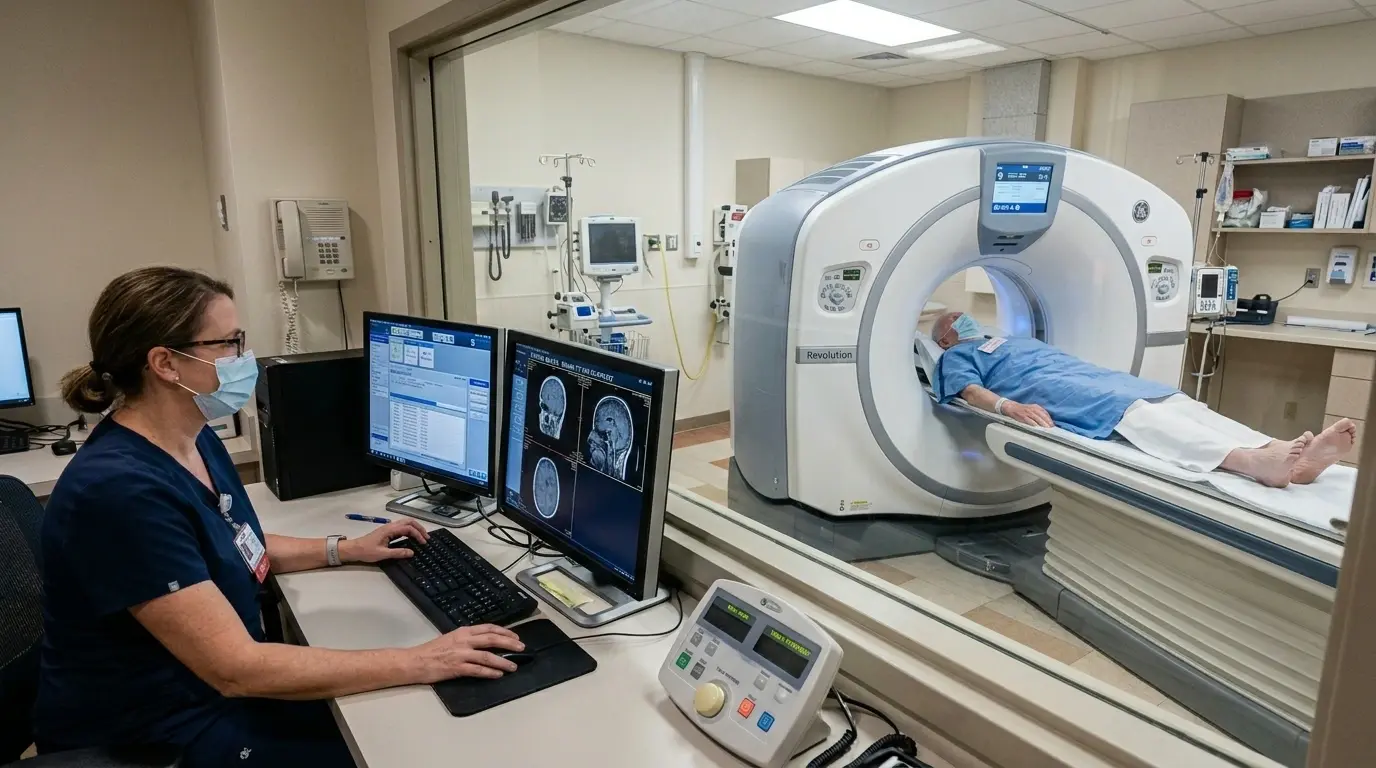
Advanced Imaging (MRI, CT Scan, PET Scan)
Diagnostic imaging is one of the most heavily authorized service categories due to high costs and overutilization concerns.
Inpatient Hospital Admissions and Surgeries
Elective surgeries, planned hospital admissions, and many outpatient surgical procedures require PA to confirm clinical necessity and appropriate level of care.
Specialty Medications and Biologics
Specialty drugs, injectables, biologics, and chemotherapy agents almost always require PA often with step therapy requirements showing lower-cost alternatives were tried first.
Durable Medical Equipment (DMEPOS)
Under CMS rules, certain DME items like power wheelchairs, back/knee braces, and oxygen equipment require prior authorization before delivery.
Behavioral Health and Substance Abuse Treatment
Inpatient mental health stays, substance use disorder programs, and intensive outpatient programs (IOP) frequently require PA for level-of-care determination.
Out-of-Network Services
When patients seek care outside their network, PA is typically required for the payer to evaluate medical necessity and coverage exceptions.
Prior Authorization Requirements by Payer Type
Each payer category follows different PA rules and timelines:
Medicare Prior Authorization Rules
Original Medicare (Parts A and B) requires PA only for limited services, including specific DMEPOS items, certain hospital outpatient department services, and select demonstration programs. Reviews are governed by National Coverage Determinations (NCDs) and Local Coverage Determinations (LCDs).
Medicaid Prior Authorization Rules
Medicaid PA rules are state-administered, meaning each state’s program has unique requirements, forms, and timelines. Standard reviews typically take 7–30 calendar days.
Commercial Insurance Prior Authorization Rules
Commercial payers like UnitedHealthcare, Aetna, Cigna, and Blue Cross Blue Shield maintain extensive PA requirements. Standard decisions are usually issued within 5–10 business days, with expedited reviews completed in 72 hours.
Medicare Advantage Plan Requirements
Medicare Advantage (Part C) plans have significantly more PA requirements than Original Medicare. According to the AMA, Medicare Advantage plans submit over 35 million PA requests annually, and about one in four are initially denied.
How Long Does Prior Authorization Take?
PA timelines depend on the payer, service type, and urgency:
Standard Request Timeline (5–15 Days)
For non-urgent elective services, most payers issue decisions within 5 to 15 calendar days of receiving complete documentation.
Expedited / Urgent Request Timeline (24–72 Hours)
When a delay would jeopardize the patient’s life or function, providers can request an expedited review, typically resolved within 24 to 72 hours.
Why PA Approvals Get Delayed
Common causes of delay include:
- Incomplete or missing clinical documentation
- Wrong CPT or ICD-10 codes
- Submission to the wrong payer
- Missing peer-to-peer review
- Payer requesting additional records
What Happens If Prior Authorization Is Not Obtained?
Skipping prior authorization carries serious financial and operational consequences:
Claim Denials and Lost Revenue
Claims submitted without required PA are typically denied outright as CO-197 (precertification/authorization absent) and these denials are often non-recoverable.
Patient Billing Disputes
When PA is missed, financial responsibility may shift to the patient, leading to billing complaints and damaged provider-patient relationships.
Delayed Reimbursement
Even when retro authorization is possible, the appeals and resubmission process extends AR days and disrupts cash flow.
Increased AR Days
Authorization-related denials are a leading cause of aged AR over 90 days, directly impacting practice profitability.
Common Prior Authorization Challenges Providers Face
PA continues to be one of the biggest pain points in healthcare administration:
Administrative Burden on Staff
According to the 2024 AMA Prior Authorization Physician Survey, physicians and their staff spend an average of 12 hours per week processing PAs equivalent to nearly two full workdays.
Lack of Standardization Across Payers
Each payer has unique forms, portals, clinical criteria, and timelines, making it nearly impossible to create a single uniform workflow.
Frequent Denials and Rework
Approximately one in four PA requests are initially denied, and reworking these denials consumes significant staff resources.
Delays in Patient Care
The AMA reports that 94% of physicians say PA causes delays in care, and 24% report PAs have led to serious adverse events in patients.
Constantly Changing Payer Rules
Payers frequently update their PA lists, clinical criteria, and submission methods, requiring continuous staff training.
Prior Authorization Denials How to Handle Appeals
When a PA is denied, providers have multiple options to fight the decision:
Common Reasons for PA Denials
- Lack of medical necessity documentation
- Service not covered under the plan
- Missing information or incorrect codes
- Step therapy not completed
- Out-of-network provider
Filing a Peer-to-Peer Review
A peer-to-peer (P2P) review allows the ordering physician to speak directly with the payer’s medical director to provide additional clinical justification. P2P reviews can overturn many initial denials.
The PA Appeal Process and Timelines
If a denial cannot be resolved through P2P, providers can file a formal appeal. According to a 2023 OIG report, over 80% of initial Medicare Advantage PA denials are overturned on appeal.
Electronic Prior Authorization (ePA) The Future of PA
The PA process is rapidly evolving from manual fax-and-phone workflows to fully electronic systems.
What is ePA and How It Works
Electronic Prior Authorization (ePA) allows providers to submit PA requests directly from their EHR to the payer, with real-time decision support based on the patient’s plan and clinical data.
HIPAA 278 Transaction Standard
The HIPAA X12 278 transaction is the federally mandated standard for electronic PA submissions, designed to streamline communication between providers and payers.
CMS Interoperability and Prior Authorization Final Rule (CMS-0057-F)
The CMS-0057-F rule, finalized in 2024, requires Medicare Advantage, Medicaid, CHIP, and ACA plans to:
- Implement FHIR-based Prior Authorization APIs by January 1, 2027
- Provide PA decisions within 72 hours for urgent and 7 days for standard requests by 2026
- Publicly report PA metrics annually
- Share specific denial reasons with providers
Role of AI and Automation in Prior Authorization
AI-powered PA platforms can now automatically check requirements, gather documentation, predict approval likelihood, and submit requests reducing turnaround times from days to minutes.
Best Practices to Streamline Prior Authorization
These proven strategies help reduce denials and accelerate approvals:
Maintain a Master List of Procedures Requiring PA
Build a payer-specific list of CPT codes that require PA so scheduling staff can flag them upfront.
Verify Patient Insurance Before Every Visit
Run real-time eligibility checks before every service to catch coverage issues early.
Use EHR-Integrated PA Tools
EHR-integrated ePA tools auto-populate forms, flag missing data, and submit electronically.
Train Staff on Payer-Specific Requirements
Subscribe to payer newsletters and conduct monthly training to stay current on policy changes.
Track PA Status and Expiration Dates
Maintain a centralized PA tracker with submission dates, status, authorization numbers, and expiration windows.
Outsourcing Prior Authorization When and Why to Consider It
Many practices outsource PA to specialized RCM partners to reduce administrative load.
Signs Your Practice Needs PA Outsourcing
- Growing backlog of pending authorizations
- Rising denial rates linked to PA issues
- Staff burnout from authorization workload
- Treatment delays affecting patient satisfaction
- Inability to keep up with payer rule changes
Benefits of Outsourcing Prior Authorization
- Faster turnaround times
- Lower denial rates
- Reduced administrative cost
- More staff time for patient-facing work
- Access to PA specialists with payer expertise
How to Choose a PA Outsourcing Partner
Look for partners with proven payer experience, HIPAA-compliant workflows, transparent reporting, EHR integration capabilities, and strong appeal management.
The Impact of Prior Authorization on the Revenue Cycle
Prior authorization sits at the front end of the revenue cycle meaning errors here ripple through the entire billing process. Clean PAs lead to clean claims, faster reimbursement, and lower AR days. Missed or incorrect PAs lead to denials, write-offs, and lost revenue. For most practices, PA optimization is one of the highest-ROI improvements in their entire RCM workflow.
Key Statistics on Prior Authorization (2024–2026)
- 35 million+ PA requests submitted annually for Medicare Advantage patients
- 40+ PAs processed per week per physician (AMA, 2024)
- 12 hours spent weekly on PAs by physician staff
- 94% of physicians report PA causes delays in care
- 24% report PAs have led to serious adverse events
- 80%+ of denied Medicare Advantage PAs are overturned on appeal (OIG, 2023)
- 25% of all PA requests are initially denied
Conclusion
Prior authorization is a permanent fixture in the U.S. healthcare system, and how providers manage it directly affects revenue, compliance, and patient outcomes. While the process is undeniably complex and resource-intensive, practices that invest in structured workflows, electronic PA tools, staff training, and when needed specialized outsourcing partners are best positioned to reduce denials, accelerate approvals, and protect cash flow.
With CMS reforms, ePA mandates, and AI automation reshaping PA in 2026 and beyond, now is the time to modernize your prior authorization workflow.
Frequently Asked Questions (FAQ)
Q1: What is prior authorization in simple terms?
Prior authorization is approval from a patient’s insurance company that a provider must obtain before delivering certain services, procedures, or medications. It confirms the service is medically necessary and covered under the plan.
Q2: Does prior authorization guarantee payment?
No. Prior authorization confirms coverage eligibility but does not guarantee payment. Claims can still be denied if other billing rules are not followed, the patient’s coverage changes, or documentation is insufficient.
Q3: How long does prior authorization take?
Standard PA requests typically take 5–15 calendar days. Urgent or expedited requests are usually decided within 24–72 hours, depending on the payer and plan.
Q4: Which services commonly require prior authorization?
Common categories include advanced imaging (MRI, CT, PET), inpatient hospital admissions, elective surgeries, specialty medications, durable medical equipment, behavioral health services, and out-of-network care.
Q5: Can a prior authorization be denied?
Yes. PA can be denied for lack of medical necessity, missing documentation, incorrect codes, services not covered by the plan, or failure to complete step therapy. Denials can typically be appealed.
Q6: What is the difference between prior authorization and referral?
A referral is a recommendation from a primary care physician to see a specialist, while prior authorization is approval from the insurance payer for a specific service, procedure, or medication.
Q7: What is electronic prior authorization (ePA)?
ePA is a digital workflow that allows providers to submit PA requests directly from their EHR to the payer using the HIPAA 278 standard, often with real-time decision support and faster turnaround.